Mia Lefferdink

Mia Lefferdink

Getting things done at Zeover. Enjoying marketing research and analysis of latest trends.

What Is an AI Marketing Optimization Platform, and Do You Need One?

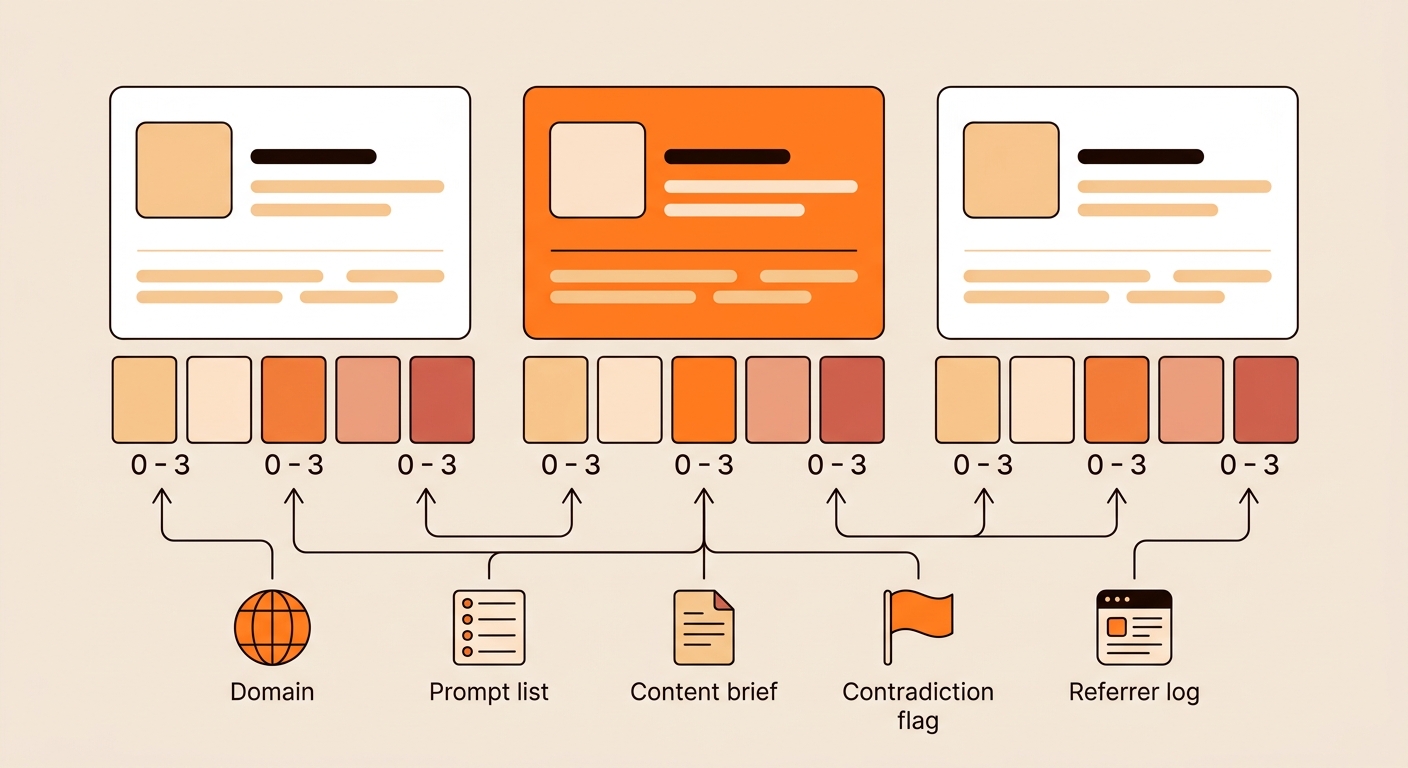
A clear, practical definition of the AI Marketing Optimization Platform category: continuous benchmarking, brand entity governance, machine-readability auditing, and brand-governed content generation, plus how to tell if your team needs one now or later.
AI Marketing Platform for Startups: What to Set Up Before You Scale

Startups have a structural advantage in AI visibility. Here is the practical first-year setup: locked brand boilerplate, schema and llms.txt from day one, an early benchmark baseline, and a lean content cadence a small team can actually sustain.

Marketing Skills for AI Agents: What to Install, What to Build, and Where Zeover Fits

Installable Marketing Skills for Claude Code, Cursor, and Codex are spreading fast. They're useful, but they don't solve brand governance, benchmark tracking, or citation measurement on their own. Here's what to install, what to build, and how MCP and a closed-loop GEO platform like Zeover fit into an agentic marketing stack.

GEO for Physical Locations: Platform Requirements for Multi-Location Brands

GEO for Physical Locations: Platform Requirements for Multi-Location Brands

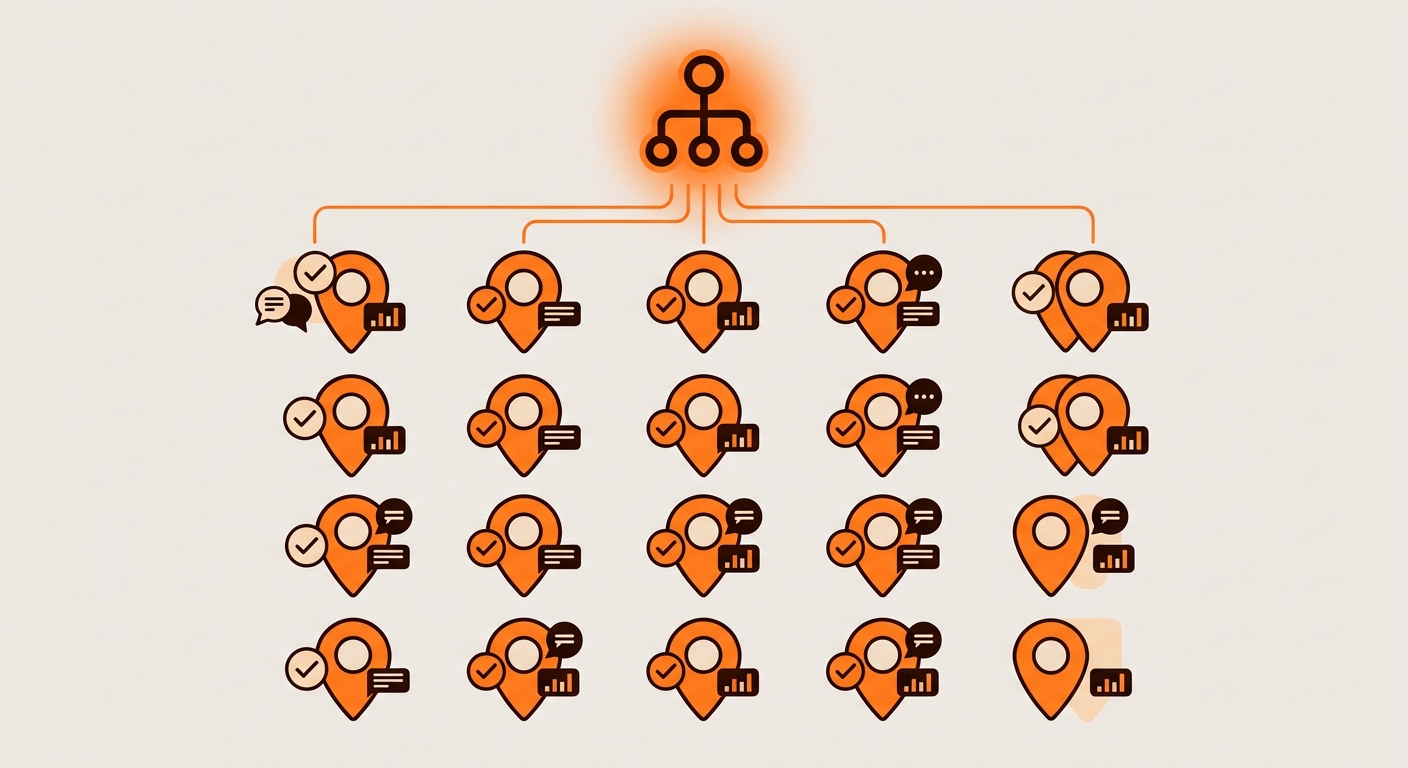
Multi-location brands hit governance breakpoints around 20 locations. A March 2026 analysis of 350,000+ locations found ChatGPT recommended only 1.2% of them. The platform requirements that compound visibility across the full footprint.

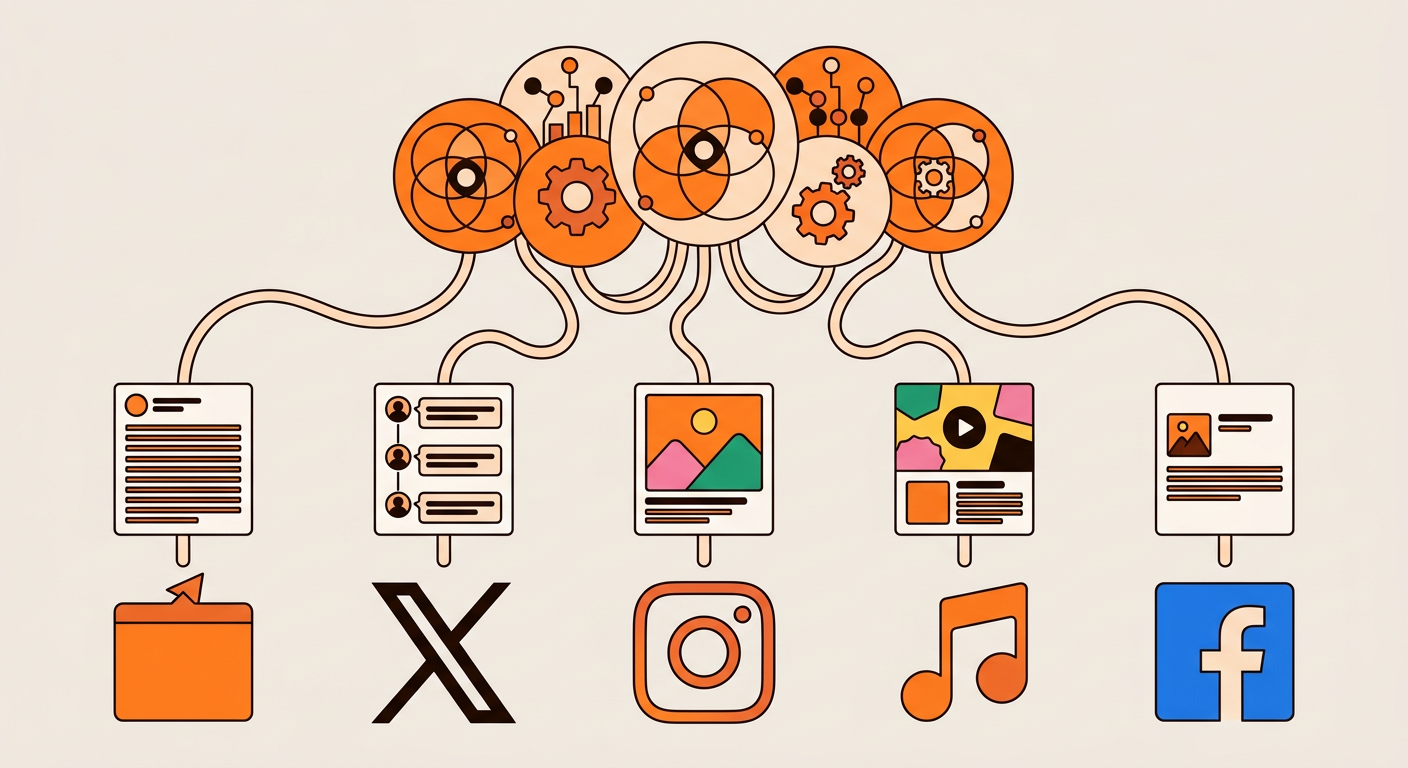
Social Posts for GEO: How Instagram, LinkedIn, TikTok, Facebook, and X Feed AI Citations

Social Posts for GEO: How Instagram, LinkedIn, TikTok, Facebook, and X Feed AI Citations

An early 2026 analysis of 325,000 AI prompts found LinkedIn cited in 14.3% of ChatGPT Search responses and 13.5% of Google AI Mode responses. Social posts feed AI citations now. Each platform contributes differently; the cadence varies accordingly.

When to Invest in a Marketing Automation Platform (and When Not) (Part 5 of 6)

When to Invest in a Marketing Automation Platform (and When Not) (Part 5 of 6)

A marketing automation platform is a force multiplier for the right operation and a tax for the wrong one. Part 5 of our marketing automation series covers the readiness signals that say invest, the signals that say wait, and the cost of getting the timing wrong.

Choosing the Best Marketing Automation Platform for a GEO-Native Operation (Part 4 of 6)

Choosing the Best Marketing Automation Platform for a GEO-Native Operation (Part 4 of 6)

Vendor demos optimize for impressing the buyer; trials reveal what the platform actually does. Part 4 of our marketing automation series turns the capability rubric from Part 2 into a decision framework, with red flags, trial criteria, and the questions vendors don't want asked.

Marketing Automation Tools Across the Funnel (Part 3 of 6)

Marketing Automation Tools Across the Funnel (Part 3 of 6)

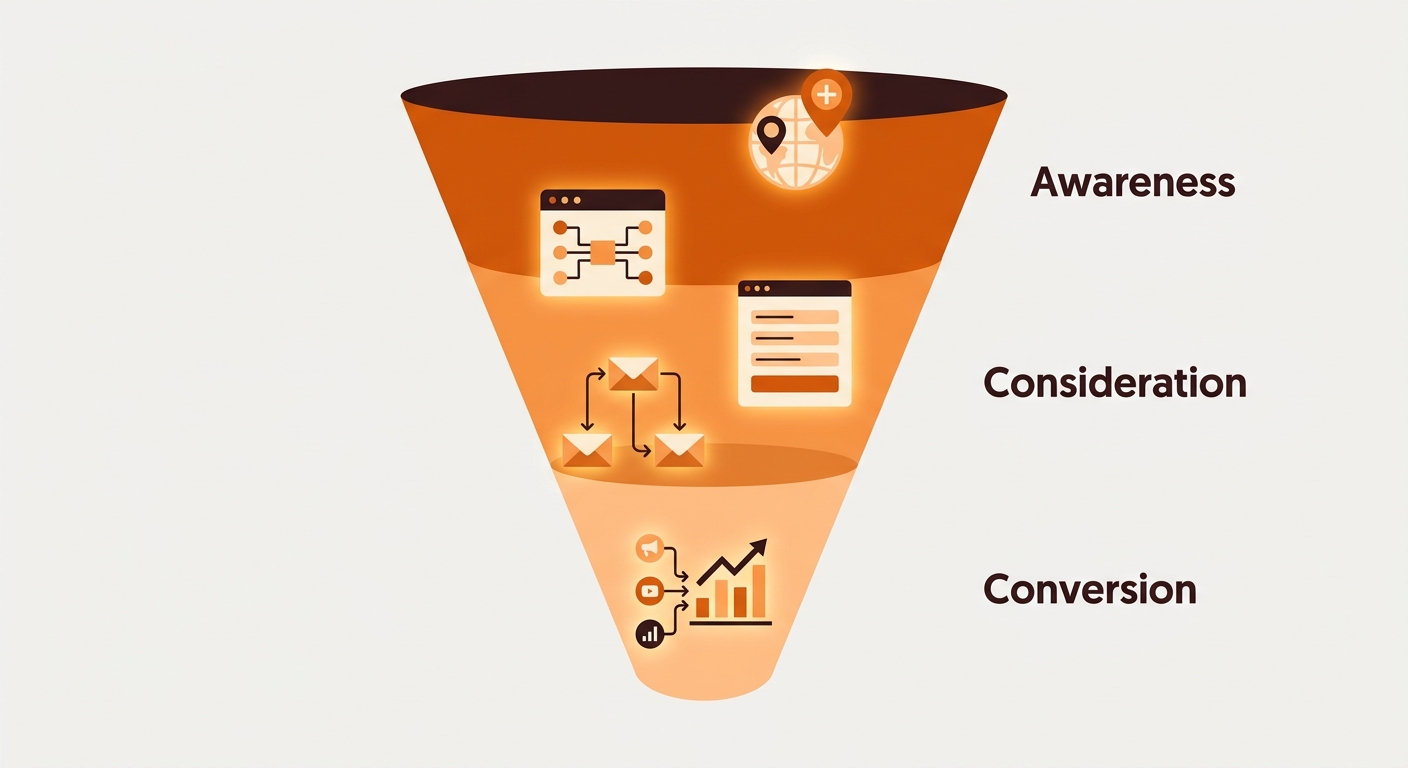
Top of funnel, middle of funnel, bottom of funnel: each stage now has tool categories that did not exist in the 2021 stack. Part 3 of our marketing automation series surveys the tool layers, calls out which categories collapsed into the platform, and which still warrant a point tool.

How to Rank in Gemini - Measure, Iterate, Improve: Tracking Gemini Visibility (Part 5 of 5)

How to Rank in Gemini - Measure, Iterate, Improve: Tracking Gemini Visibility (Part 5 of 5)

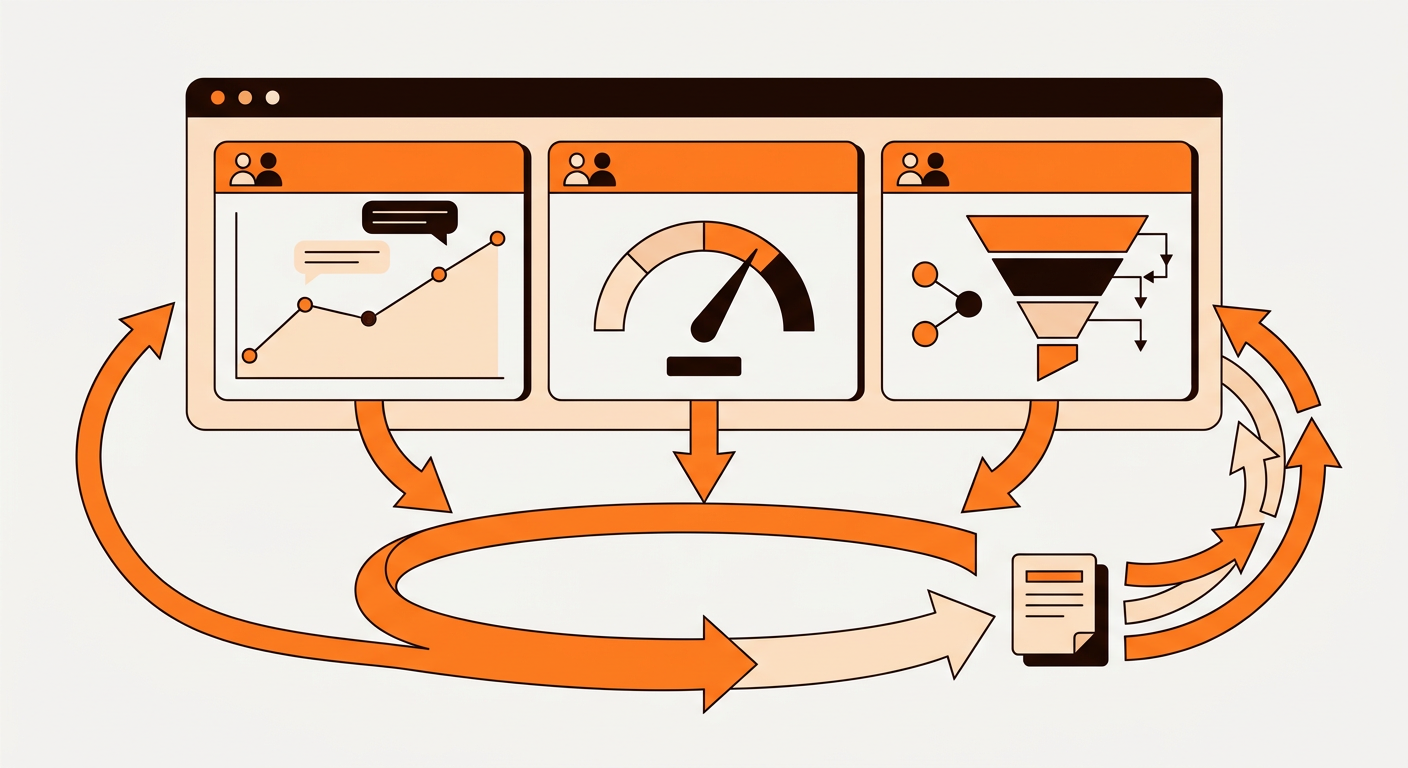
Gemini-specific measurement runs three signals: citation rate per prompt, summary accuracy, and AI-source pipeline attribution. Part 5 closes the series with the dashboard and cadence that turn data into citation lift.

How to Rank in Gemini - Accuracy and Grounding: Why Gemini Punishes Drift (Part 4 of 5)

How to Rank in Gemini - Accuracy and Grounding: Why Gemini Punishes Drift (Part 4 of 5)

Gemini's grounding architecture cross-references multiple sources before answering, which makes contradictions across the brand's surfaces directly visible. Part 4 covers why the engine punishes drift and how to keep brand claims consistent.