How to Rank in Gemini - A Content Strategy Built for Gemini Citations (Part 3 of 5)
GEO Content Marketing Search
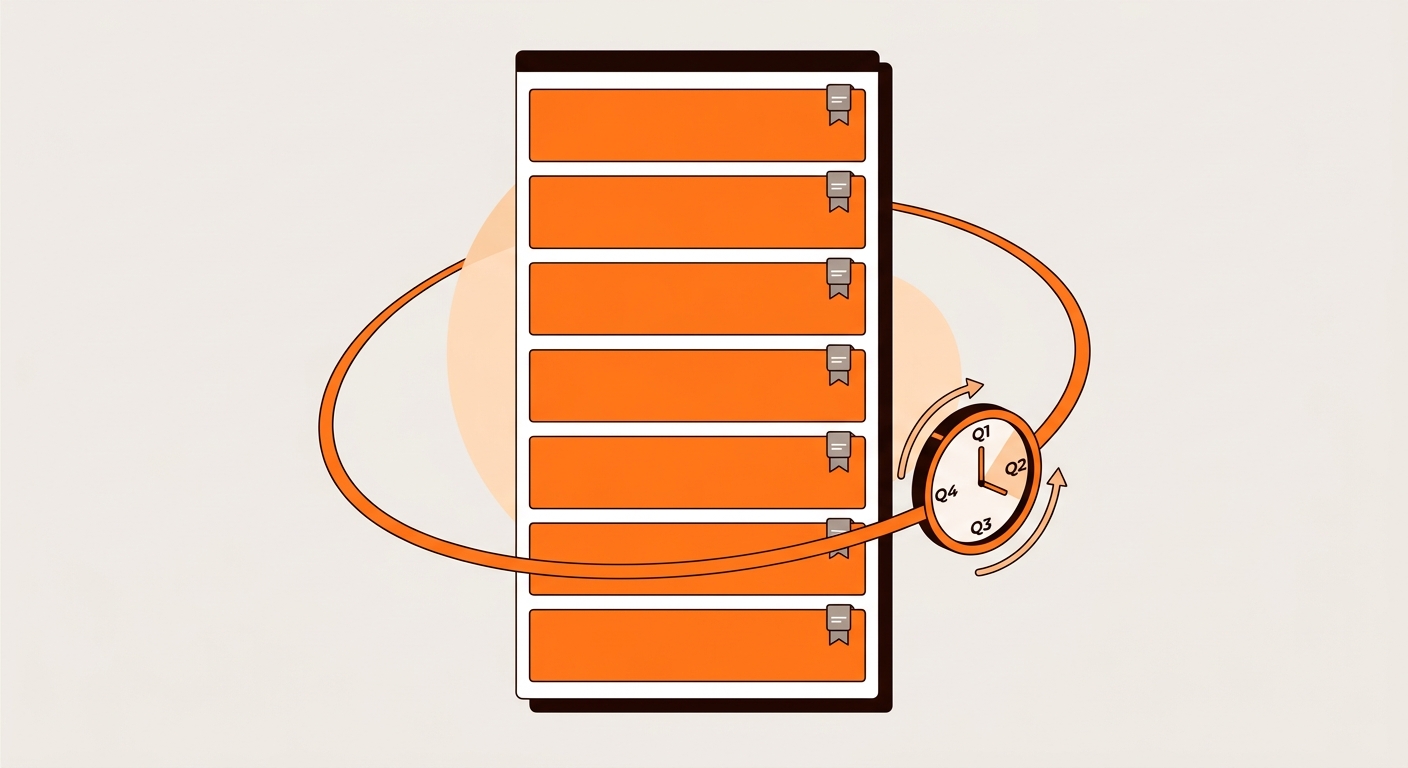

Gemini reads section by section. Content built for that pattern earns citations the bulk-prose competition does not. Zeover generates content tuned for Gemini's section-level extraction with built-in freshness signaling and the schema scaffolding Gemini prefers. Generate a Gemini-tuned piece.
Part 2 covered the technical foundation. Part 3 covers the content layer that runs on top. Gemini's grounding behavior weights freshness, section-level structure, and clean answer formats more than the other AI engines do. The patterns that earn Gemini citations consistently are predictable; the refresh strategy that holds the citations across quarters matters as much as the original content investment.
TL;DR
- Gemini citations reward four content patterns: section-level structure, fresh statistics, clear entity definitions, and front-loaded answers. Pieces that hit all four earn three to five times more citation surfaces than equivalent pieces that don't.
- The unit of optimization is the H2 section. Each H2 should answer one sub-query, lead with the answer in the first one to three sentences, and stand alone as a complete response.
- Freshness counts more for Gemini than for any other engine. A refresh cycle (updating dateModified, refreshing statistics, pulling in newer primary sources) holds citation share that creation-only strategies lose.
- Multimedia (images with strong alt text, video transcripts with VideoObject schema, infographics with structured data) earns Gemini citation surfaces text-only content does not.
- The content velocity that produces results is moderate (eight to fifteen pieces a month) with continuous refresh on existing content. Volume above twenty-five pieces a month with stale legacy content underperforms.
Pattern 1: Section-Level Structure
Each H2 is a citation surface. Build each one to stand alone.
- Phrase the H2 as a sub-query. "How does Gemini ground answers" is a better H2 than "Grounding behavior."
- First one to three sentences answer the sub-query. Gemini's extraction tends to pull from the top of the section. Bury the answer and Gemini extracts noise.
- Evidence in the next two to four sentences. Statistics, primary-source quotes, and citable claims that support the answer.
- Optional H3 sub-sections for finer detail. Useful for queries that need depth; cheap to add once the H2 already stands alone.
A 2,500-word piece structured as eight to ten H2 sections has eight to ten citation surfaces. The same 2,500 words written as flowing prose has one.
The pattern lines up with how Google's AI Mode in Search handles user questions: each query is broken into subtopics and issued as parallel searches, then results are stitched into a single answer. Each subtopic competes independently, so each section of source content competes independently too.
Pattern 2: Fresh Statistics
Gemini weights freshness heavily. The practical rules.
- Cite the most recent data available. A piece citing 2022 data when 2025 data exists loses to a competitor citing 2025.
- Link to primary sources. Government data (BLS, Census), academic papers, regulator filings, established news outlets. Press releases only when they are the primary source.
- Update statistics every six to twelve months. Schedule a refresh cycle on the top twenty pieces. The cost is low; the citation share preserved is high.
- Mark dateModified honestly. Don't fake freshness; Gemini downweights pages that bumped dateModified without real content changes.
The freshness signal explains why content-refresh strategies often outperform content-creation strategies for Gemini citations specifically.
Pattern 3: Clear Entity Definitions
Define the entity inline at first mention. "GEO (Generative Engine Optimization) is the discipline of..." gives Gemini the entity definition without forcing it to do a separate lookup.
Why it matters:
- Gemini extracts the inline definition for "what is GEO" queries.
- The definition becomes the brand's working version of the term, which compounds when AI engines retrieve other pages from the same site.
- Without the definition, Gemini falls back to whatever generic source defines the term first, which is rarely the brand's preferred framing.
Pages that define their key entities upfront earn category-defining citations. Pages that assume the reader knows the terms forfeit those citations to whoever did define them.
Pattern 4: Front-Loaded Answers
A 2026 reader (and Gemini) wants the answer first, the context second. The pattern:
- Lead the piece with the strongest one-sentence answer to the title's question.
- Lead each section with the strongest one-sentence answer to the H2's question.
- Lead each paragraph with the strongest one-sentence claim, then support with evidence.
The pattern is journalistic inverted-pyramid, applied to GEO content. It is not a 2026 invention; it is a 2026 enforcement. AI engines reward what good journalism already rewarded.
The Refresh Strategy
A defensible refresh cycle for the top twenty pieces:
- Quarterly review. Read each piece. Identify stale statistics, deprecated product names, broken external links, missing schema, weak entity definitions.
- Update without rewriting. Most pieces need 5 to 15 percent of words changed, not a full rewrite. Update dateModified honestly.
- Add fresh primary sources where relevant. A piece from 2024 may benefit from a 2025 or 2026 study added inline.
- Re-link to current internal pages. Internal links to retired or moved pages should redirect to current equivalents.
Operations that run this cycle hold Gemini citation share across quarters. Operations that don't lose citations to competitors who refreshed instead of created.
The Multimedia Lift
Three multimedia patterns earn Gemini citation lift.
Images with strong alt text. Alt that accurately describes the image content. Not "diagram of the workflow" but "five-step content production workflow showing brief, draft, edit, validate, publish, benchmark." Gemini sometimes cites the page because the image illustrates the answer.
Videos with transcripts and Schema.org VideoObject markup. The transcript becomes citable text; the schema gives Gemini metadata. A five-minute video transcript adds 600 to 800 words of indexable content with no marginal writing time.
Infographics with accompanying structured data. A chart paired with the underlying data table and Dataset schema is citable for queries about the data, not just the chart's visual.
Most teams underinvest in multimedia for AI citation purposes. The cost is low and the lift is consistent.
Content Velocity That Compounds
The volume tradeoff:
- Eight to fifteen pieces a month with continuous refresh. The right shape for most operations targeting Gemini citations. Quality is the binding constraint, not volume.
- Fifteen to twenty-five pieces with refresh. Advanced operations that built the workflow capacity. Strong citation lift if quality holds.
- Twenty-five-plus pieces with no refresh. The slop zone. Volume without quality dilutes the brand's entity signal and underperforms.
Gemini punishes the slop zone faster than the other engines because its grounding compares new pages against the existing Google index and downweights duplicates and low-signal additions.
What's Coming Next
Part 4 covers accuracy and grounding: why Gemini punishes drift more than other engines, and the specific factual-consistency patterns that protect citation share.
Part 5 closes on measurement.
The actionable starting point for the next thirty days is the top-twenty audit. List the brand's twenty most important pages. Score each one against the four patterns above. The gaps become the next refresh cycle's priorities. The lift is measurable within sixty to ninety days.