How to Rank in Gemini - What Gemini Cites: Sources, Grounding, and the Google Connection (Part 1 of 5)
GEO AI Strategy Search

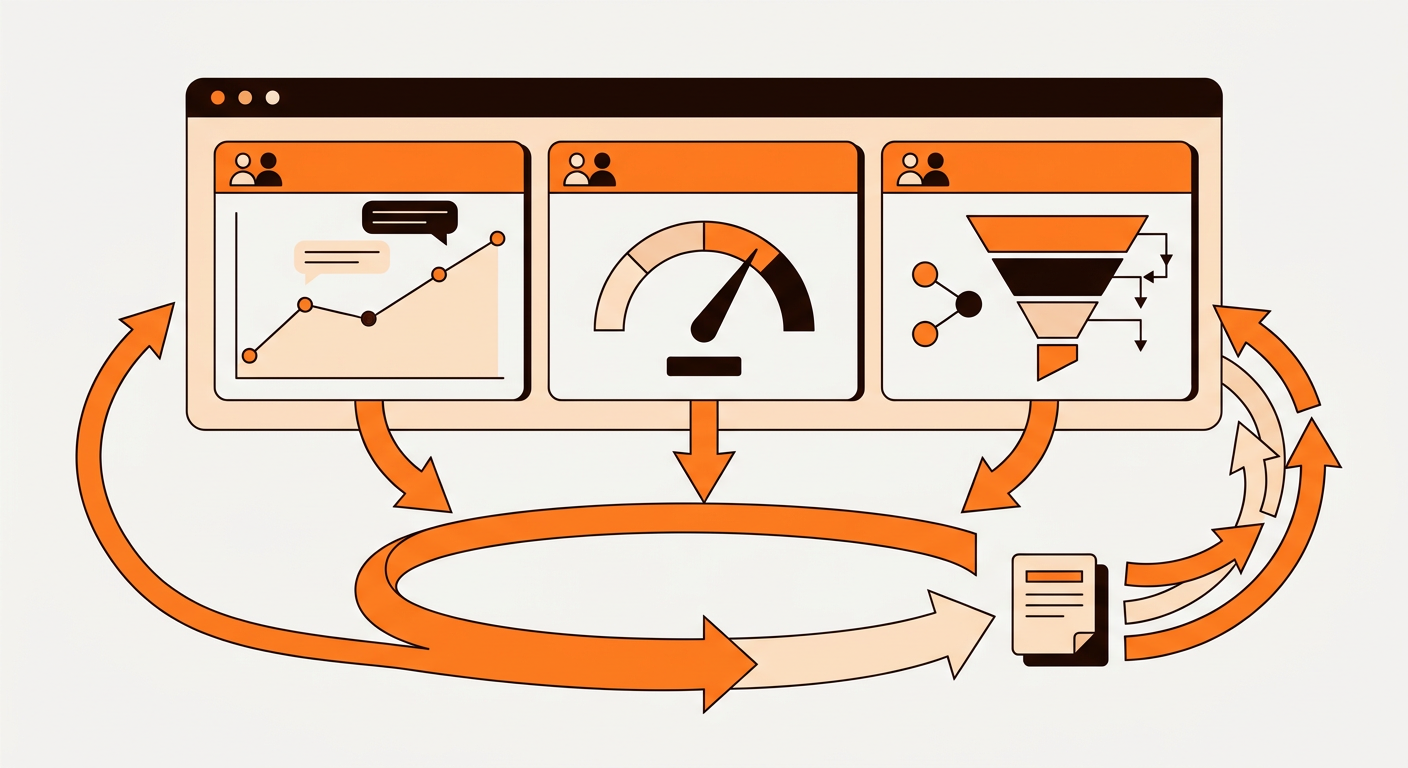
Gemini ranks the content that already ranks well in Google, with extra weight on structure and freshness. Zeover tracks Gemini citation rate and share of voice continuously alongside ChatGPT, Claude, Grok, and Perplexity, so the team can compare what Gemini sees against what the other engines do. See your Gemini visibility.
Gemini is the second-fastest-growing AI engine in 2026 and the only one whose citation behavior is tied directly to Google Search. This series covers how to earn citations from Gemini specifically, running parallel to the existing How to Rank in ChatGPT series. Part 1 is about the mechanics: what Gemini cites and why it picks those sources. The mechanics matter because they explain why content patterns that earn citations on Gemini sometimes collapse on ChatGPT or Perplexity, and the other way around.
TL;DR
- Gemini grounds answers in Google Search results plus its training corpus. The behavior is documented in Google's Gemini API grounding reference and ships in both the consumer product and the enterprise API.
- Pages already ranking in Google organic carry a structural advantage in Gemini citations. SEO investment compounds into Gemini ranking faster than into other AI engines.
- Extraction happens at the section level. A single H2 block can be cited even when the rest of the page is not, so every H2 should stand alone as a clean answer to one sub-query.
- Freshness counts more in Gemini than in most other engines. Pages with recent
dateModifiedand current numbers earn citation lift; stale ones lose ground. - Structured multimedia (images with alt text, videos with transcripts, infographics with data tables) earns citation surfaces Gemini specifically values.
How Gemini Builds an Answer
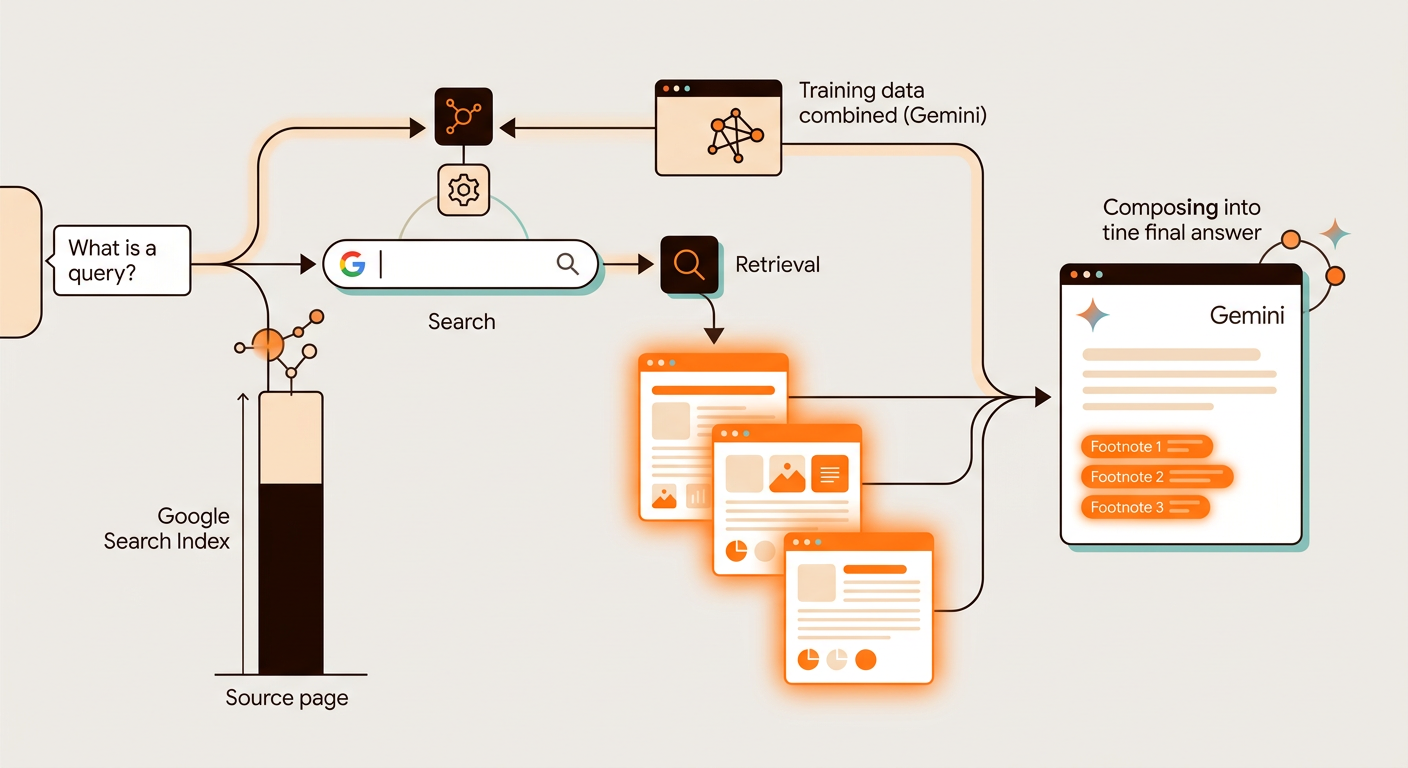
The grounded-response flow inside Gemini, summarized from Google's grounding docs:
- The user asks a question.
- Gemini decides whether a web search would help. If yes, it issues one or more Google searches.
- Gemini retrieves the top results and pulls relevant training-data context.
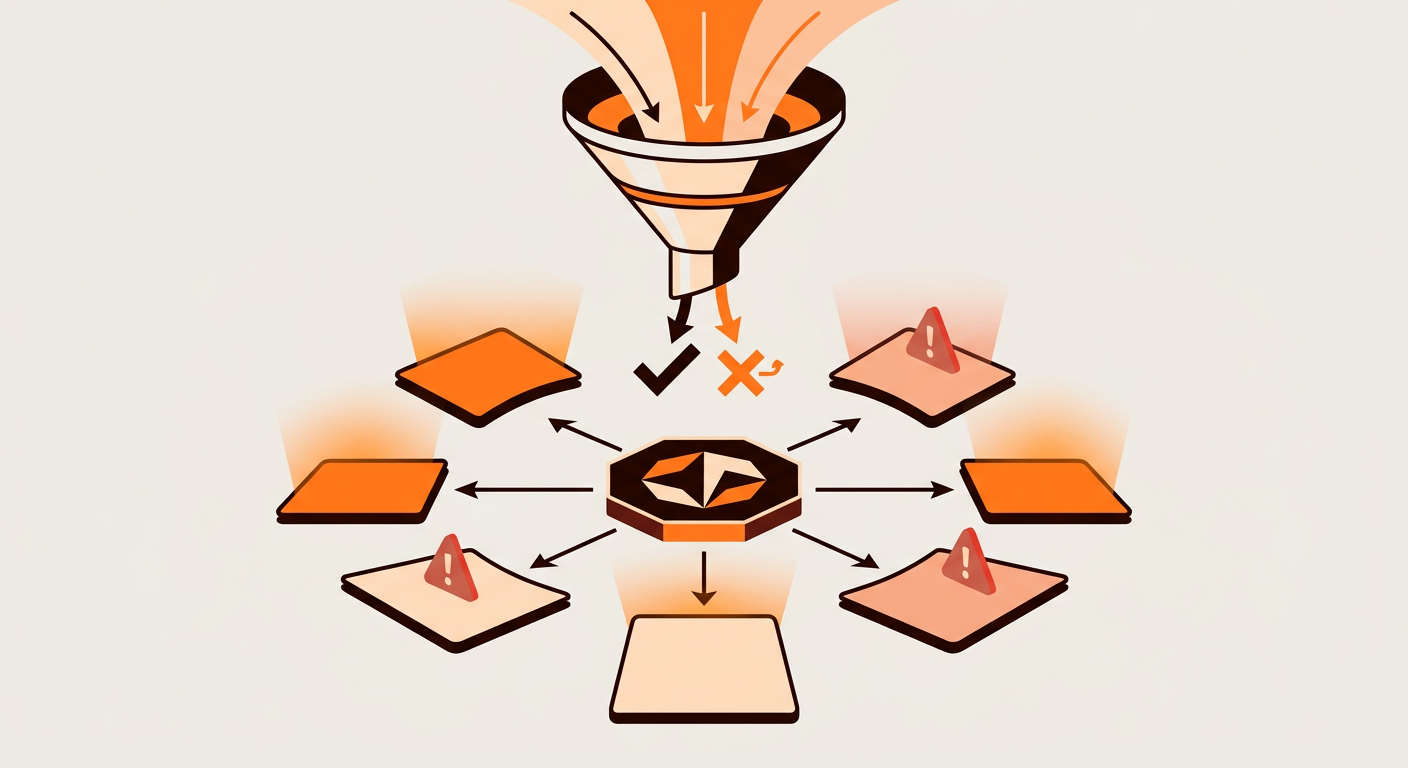
- Gemini selects sources to use (some get cited, others are discarded).
- Gemini composes the answer, synthesizing across the selected sources.
- The answer returns with
groundingChunks(the source URIs and titles) andgroundingSupports(which text segments map to which sources, viastartIndexandendIndex).
The implication for SEO and GEO: a page that doesn't rank in Google organic rarely makes it into step 3, which means it rarely earns a citation. The pages that do rank then compete on extraction quality at step 4, where structural elements (headings, schema, paragraph contract) determine selection.
Google's product team has also explained the "query fan-out" pattern used by AI Mode in Search: one user query gets broken down into subtopics and issued as many parallel searches. Each subtopic competes separately, which is exactly why section-level structure matters more in Gemini than in older retrieval systems.
The Google Connection
Of the five major AI engines, Gemini is the most directly wired to traditional Google search. The connection is built into the grounding tool itself, and it's the practical reason SEO investment compounds into Gemini citations faster than into ChatGPT citations.
Three concrete consequences.
Pages must rank in Google to be candidates. A page that does not appear in the first two pages of Google results for a query rarely gets retrieved. Gemini's grounding pulls from Google's index; if Google does not surface the page, Gemini does not see it.
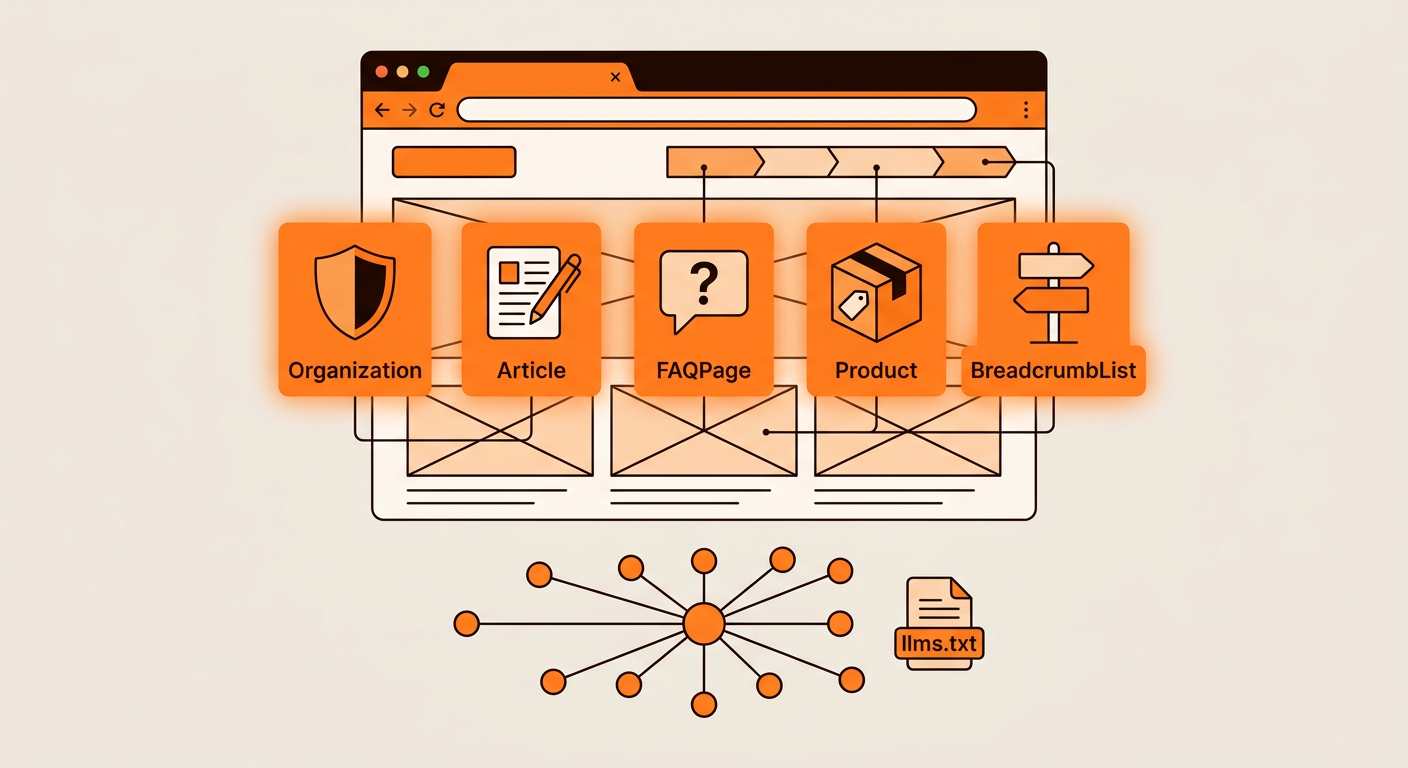
Schema rich-result eligibility helps. Google's own documentation reports strong click-through gains from structured data, citing case studies like Nestle's 82% rich-result CTR lift and Rotten Tomatoes' 25% CTR lift. The same structured data that earns rich results in Search feeds Gemini the typed metadata it prefers when picking sources to cite.
Page experience signals carry through. Core Web Vitals, mobile-friendliness, HTTPS - the technical SEO basics that move Google rankings also move Gemini retrieval. A slow page that loses Google rank loses Gemini citation surface at the same time.
The 70-80% overlap between SEO and GEO work that the rest of this series builds on shows up most clearly with Gemini, where the overlap is closer to 85-90%.
What Gemini Extracts
Gemini cites at the section level. A single H2 block can be cited even when the rest of a long page is not. That changes the optimization unit.
- Each H2 stands alone as a clean answer. A reader (or Gemini) reading the H2 and the paragraphs directly under it should get a complete sub-answer to a sub-query.
- Define entities inline at first mention. "GEO (Generative Engine Optimization) is the practice of..." gives Gemini the entity definition without forcing it to look elsewhere.
- Lead with the answer. Extraction tends to pull the first one to three sentences after each H2. Bury the answer, and Gemini extracts noise.
- Stay inside the citation contract. Claim sentence first, evidence sentences second, paragraphs under 120 words.
A 4,000-word page with twelve well-structured H2 sections has twelve potential citation surfaces. The same word count written as a continuous argument has one.
Freshness Signals
Gemini weights freshness more heavily than other AI engines. Two practical implications.
dateModified carries real weight. A piece published in 2023 with no updates loses Gemini citation share quarter over quarter. A piece refreshed in the current calendar year holds it.
Statistics need updating. A page citing 2022 data when 2025 data is available will lose citations to a competitor citing 2025. The cost of refreshing numbers every six to twelve months is small compared to the citation share lost from staleness.
The freshness signal is the strongest argument for running a content refresh strategy in 2026, not only a content production strategy. Operations that refresh existing pages with current data tend to beat operations that only ship new pages.
Multimedia
Structured multimedia earns citation surfaces Gemini specifically values. The categories that help:
- Images with valid alt text. Gemini reads the alt and sometimes cites the page because the image illustrates the answer.
- Videos with transcripts and Schema.org VideoObject markup. The transcript becomes citable text; the schema gives Gemini the metadata.
- Infographics with structured data. Charts and diagrams that carry a machine-readable data table earn citations from queries about the data itself, not just the chart's visual.
Most marketing teams underinvest in multimedia for AI citation purposes. The marginal cost is low, and the citation lift is real.
How Gemini Differs From the Others
A side-by-side at a high level:
- ChatGPT weights training-data context heavily and supplements with retrieval. Older content that defined a category often gets cited even when fresher content exists.
- Gemini weights real-time Google Search heavily. Fresh content that ranks well in Google wins.
- Claude weights authoritative sources and primary citations. Academic and government sources appear often in answers.
- Grok weights real-time social and news content. Time-sensitive content earns disproportionate citations.
- Perplexity weights citation density and source diversity. Pages with strong primary sourcing earn citations across query types.
The difference matters because improving for Gemini is closer to traditional SEO than tuning for any of the others. Teams already strong in SEO often see Gemini citation lift first when they start the GEO program.
What's Coming In The Series
Part 2 covers building a Gemini-readable site: schema, entity pages, and the Google signal overlap that doubles the value of the work.
Part 3 covers a content strategy built for Gemini citations: which formats Gemini prefers, freshness signals, and the section-level optimization that compounds.
Part 4 covers accuracy and grounding: why Gemini punishes drift more than other engines, and how to keep brand summaries factually consistent.
Part 5 closes on measurement: tracking Gemini citation rate, share of voice, summary accuracy, and what to do with the data.
The actionable starting point for the next thirty days is a Google Search Console review. The pages that rank well for the brand's commercial queries are the same pages most likely to earn Gemini citations. Investing in those pages first compounds across both surfaces.