
How AI Changes the Shape of Marketing Work (Part 1 of 3)
AI did not remove marketing work. It rearranged it. Part 1 of this three-part series maps what AI can absorb, what humans still own, and why governance became the real operating constraint.

AI did not remove marketing work. It rearranged it. Part 1 of this three-part series maps what AI can absorb, what humans still own, and why governance became the real operating constraint.

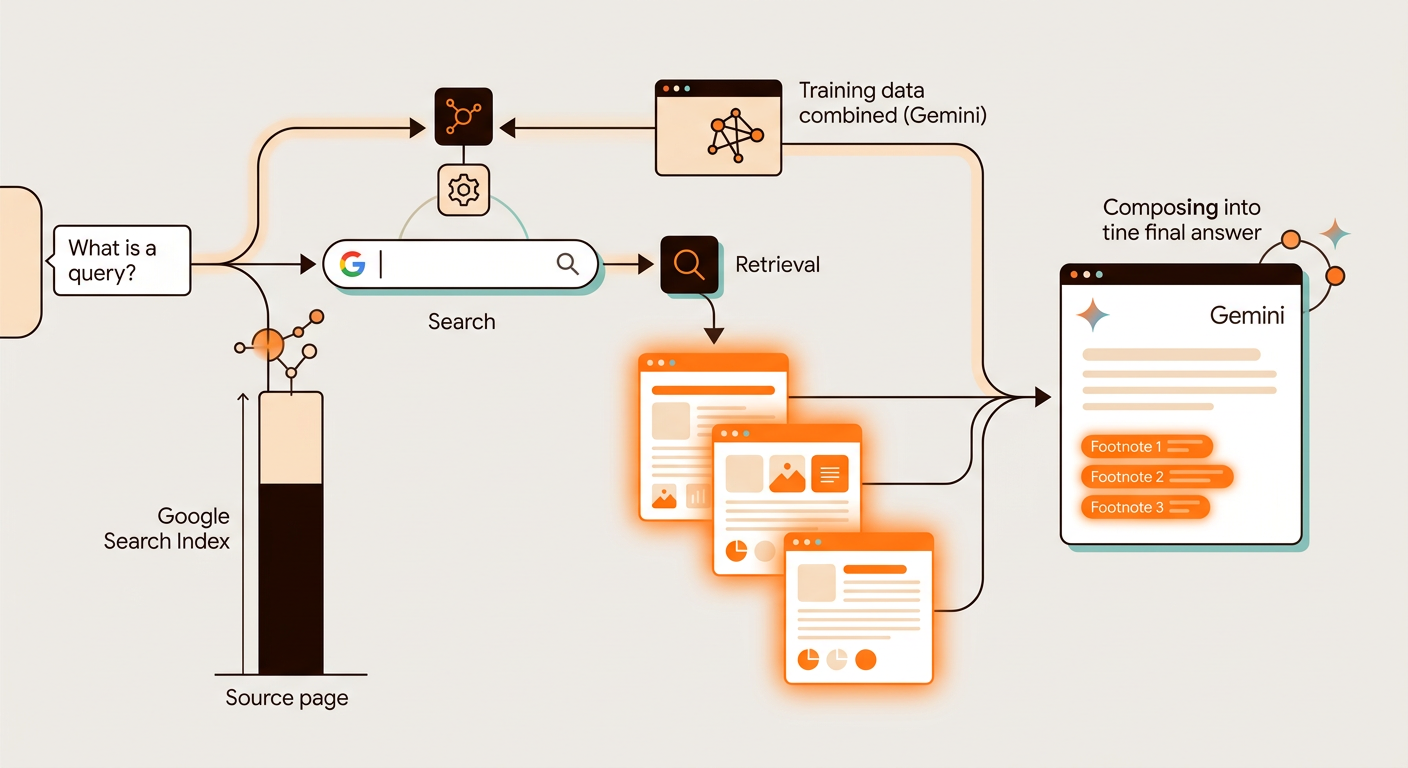
AI content drafts only earn citations when the brief tells the AI what citation goals matter. Part 1 of Content Generation for GEO covers the brief structure that produces citable drafts on the first pass.

AI-generated content scales when the operation invests in three things: prompting patterns that anchor brand voice, quality gates that catch drift before publish, and role specialization that makes 50+ pieces a month sustainable.

Anthropic's Claude Fable 5 release points to an Organic GEO shift: stronger models will reward source consistency, evidence density, and clean machine-readable brand pages more than louder content volume.

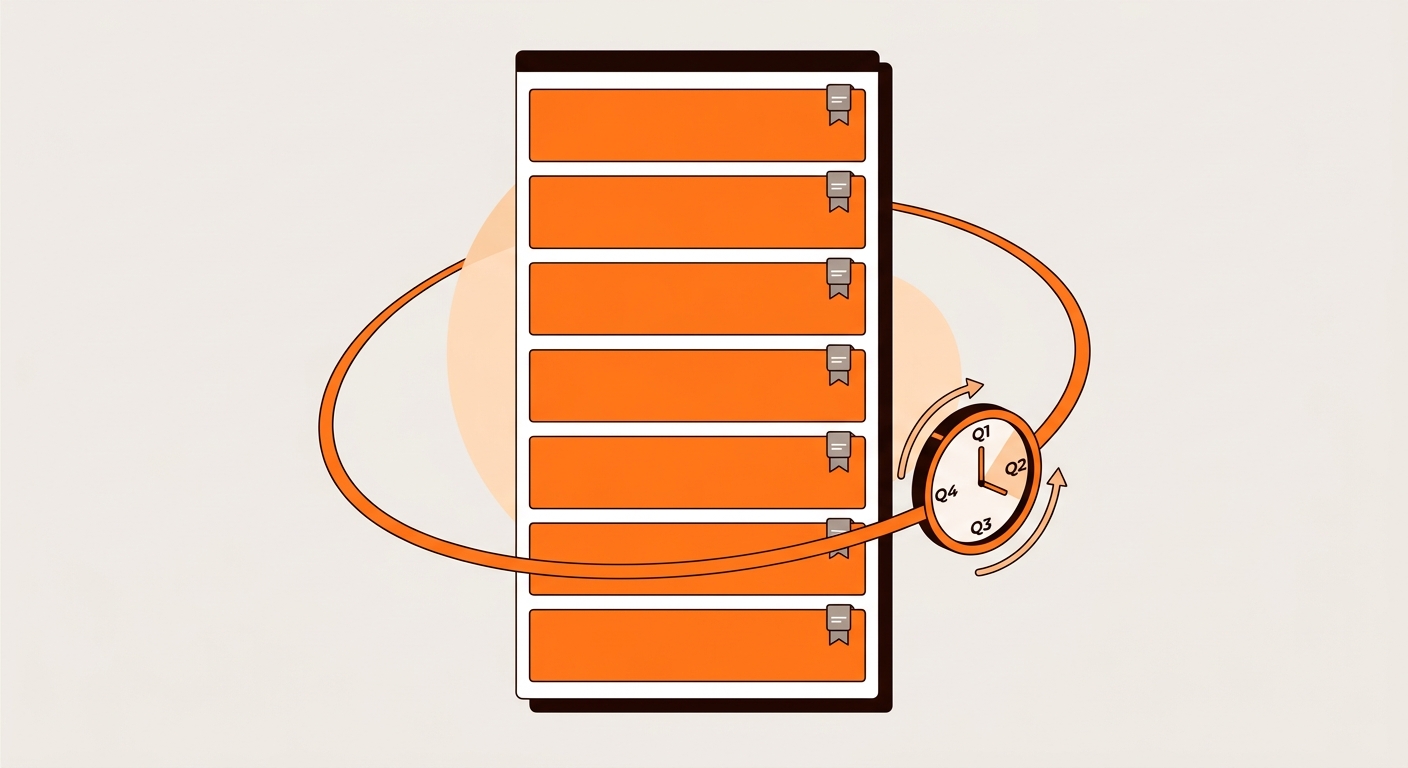
The best marketing teams do not just own automation software. They run a weekly, monthly, and quarterly operating cadence that turns content, measurement, governance, and AI visibility into one disciplined system.

Marketing automation hit near-universal adoption in 2026. The interesting question is not whether teams are using a platform but whether the platform handles the new work AI-mediated discovery has created.

Zeover's citation data shows Facebook is not the loudest social citation surface, but it has a stable role in Grok and a May entrance in Sonar. The Facebook way is community proof, local context, and measurable post engagement.

AI agents are becoming marketing operators, not just writing assistants. MCP, A2A, and action protocols make brand context, permissions, and machine-readable assets part of modern GEO.

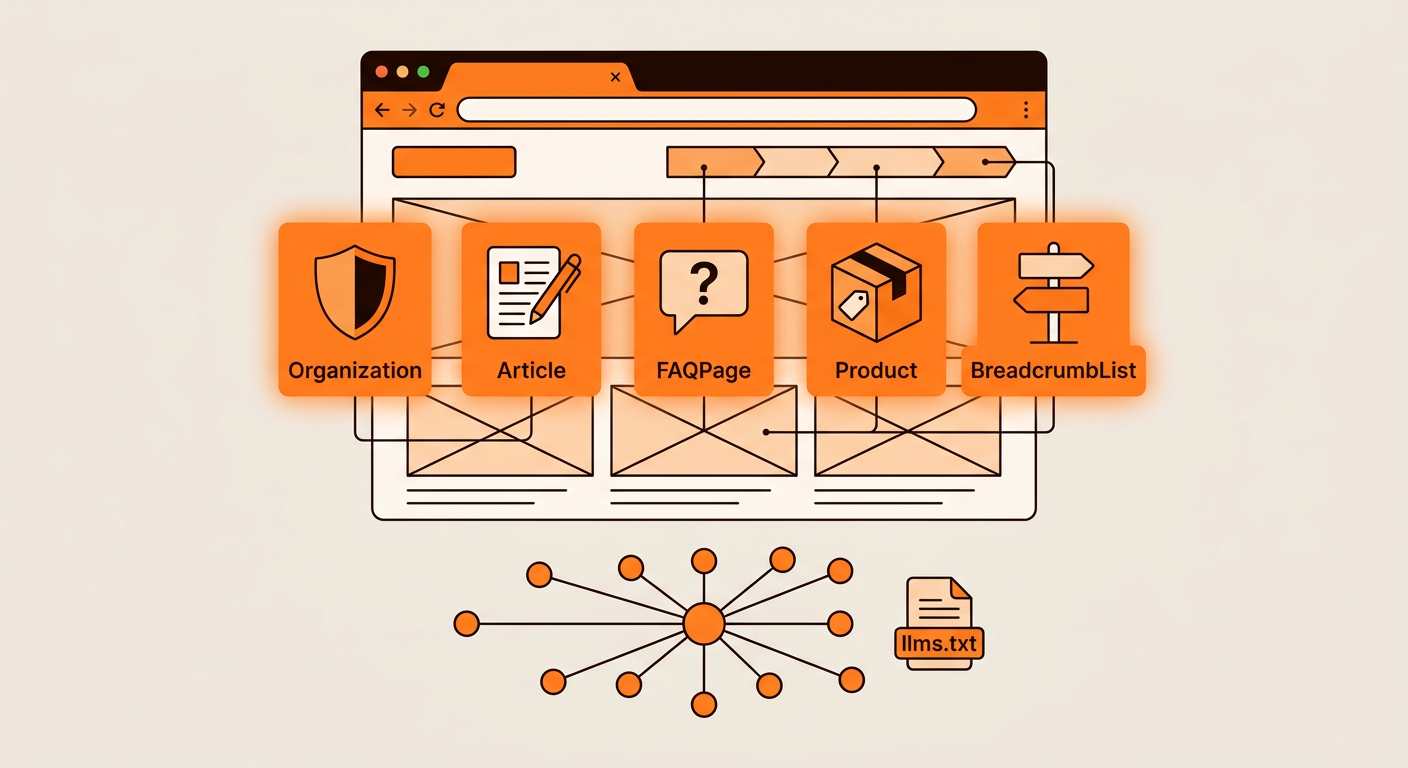
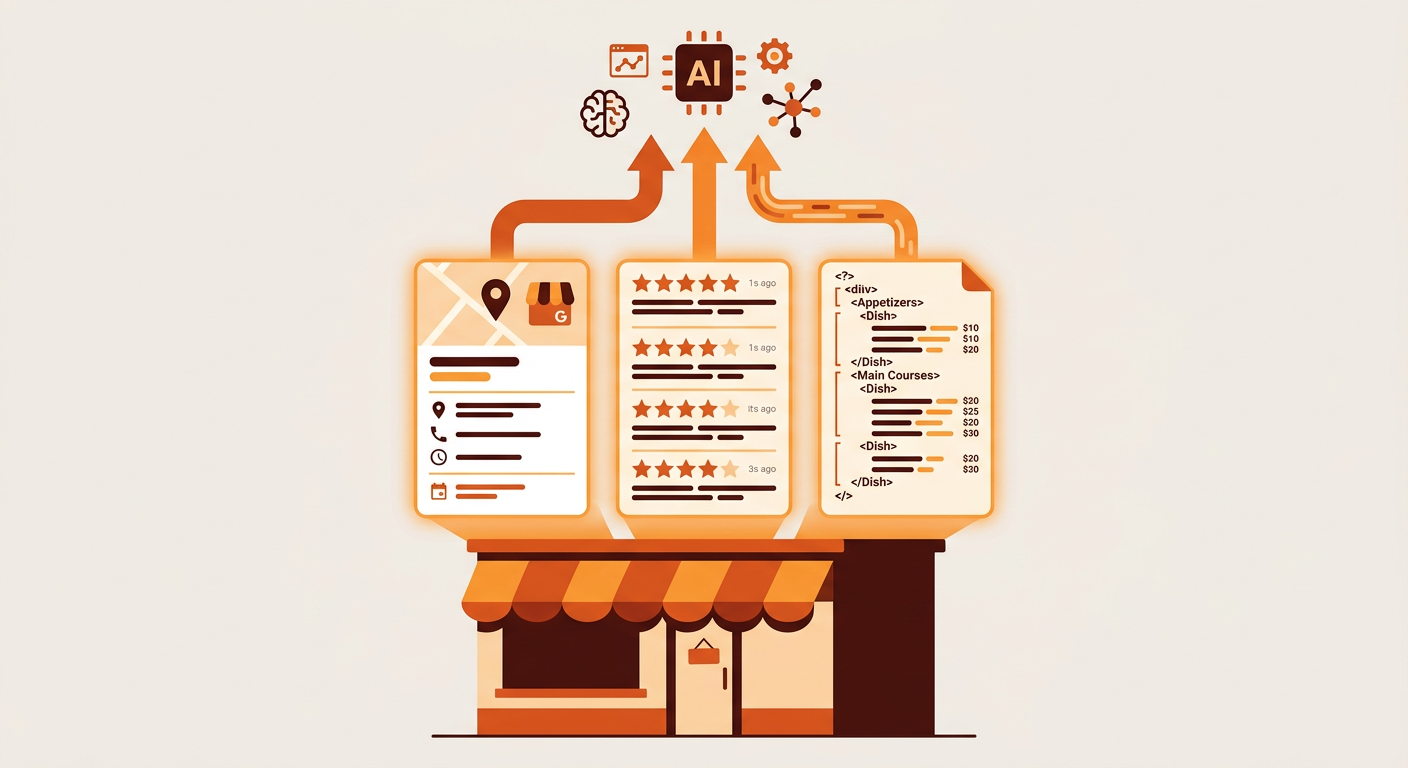
AI systems do not need more generic brand content. They need clean context: consistent facts, sourced claims, structured data, llms.txt, and pages that make the brand easy to retrieve and reuse.

Zeover's citation data shows Instagram is still a small AI citation surface, but its share is rising across Sonar and Grok. The Instagram way is visual proof plus searchable text, not visual content alone.