 Zoe
AI Tools for CMOs: What Actually Belongs in the 2026 Marketing Stack
A CMO's filter for separating genuinely useful AI marketing tools from stack bloat, organized around the jobs that actually move AI visibility and revenue.
Zoe
A CMO's filter for separating genuinely useful AI marketing tools from stack bloat, organized around the jobs that actually move AI visibility and revenue.
 Mia Lefferdink
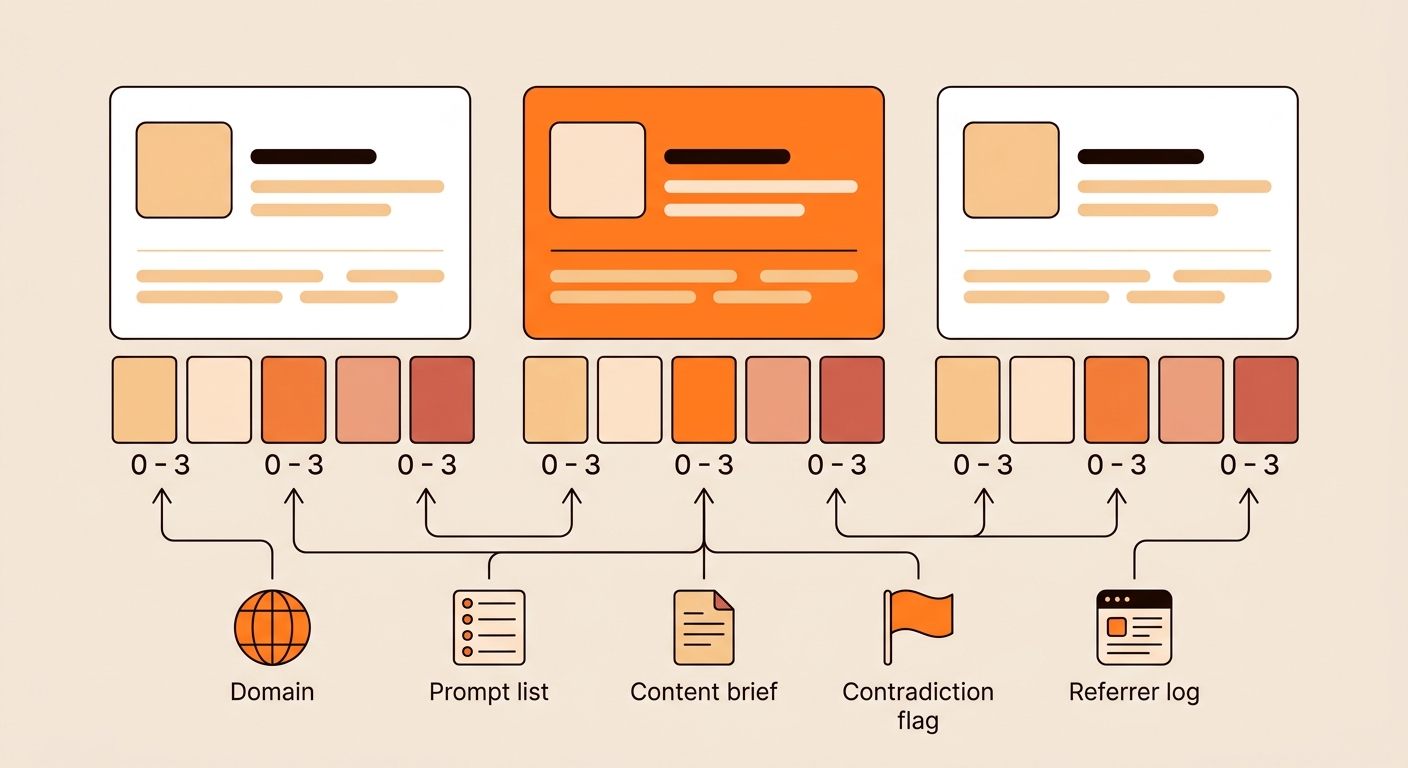
A clear, practical definition of the AI Marketing Optimization Platform category: continuous benchmarking, brand entity governance, machine-readability auditing, and brand-governed content generation, plus how to tell if your team needs one now or later.
 Mia Lefferdink
Vendor demos optimize for impressing the buyer; trials reveal what the platform actually does. Part 4 of our marketing automation series turns the capability rubric from Part 2 into a decision framework, with red flags, trial criteria, and the questions vendors don't want asked.
 Zoe
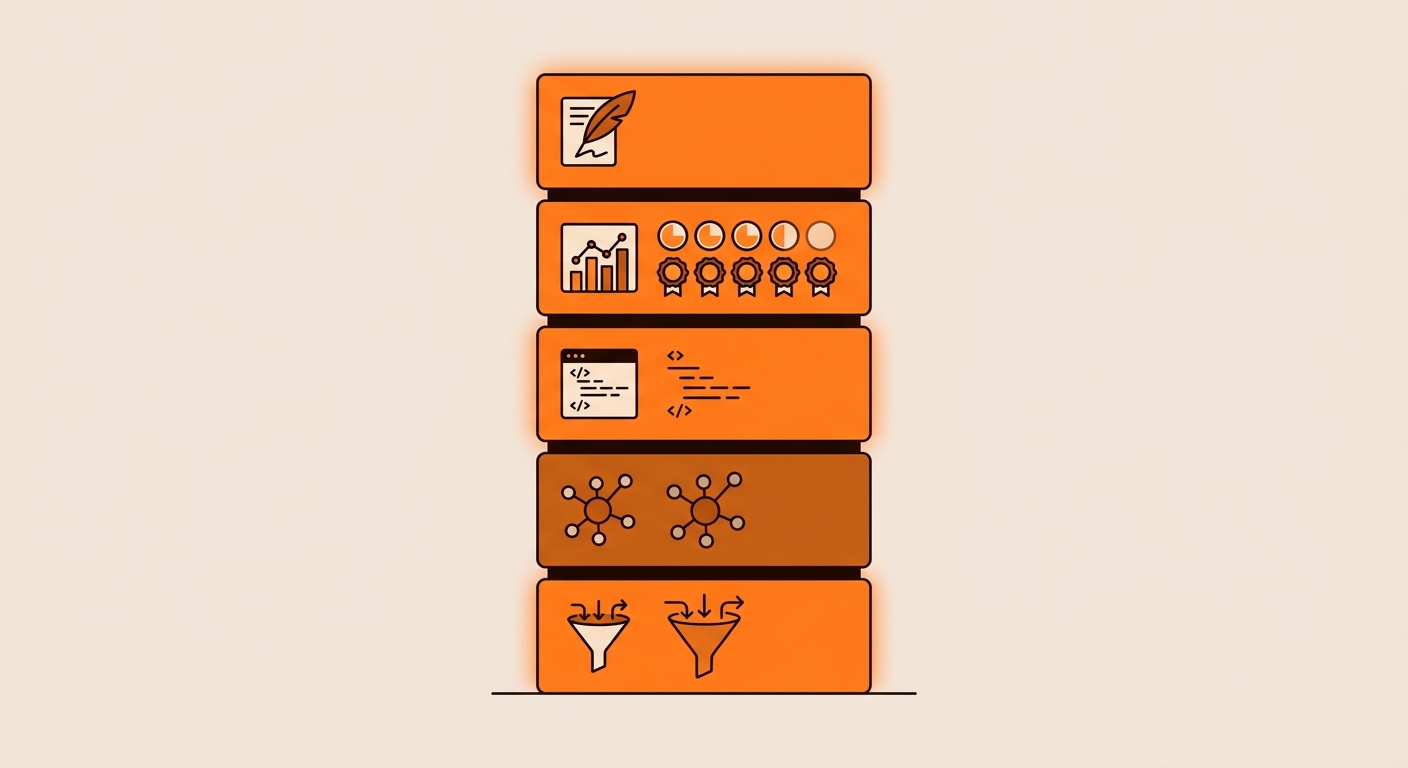
Five capability blocks separate a 2026-class marketing automation platform from a 2021 one: AI-tuned content generation, cross-engine benchmarking, machine-readability validation, brand entity governance, and AI-source attribution. Here is each capability broken down and what to demand in a vendor RFP.
 Mia Lefferdink
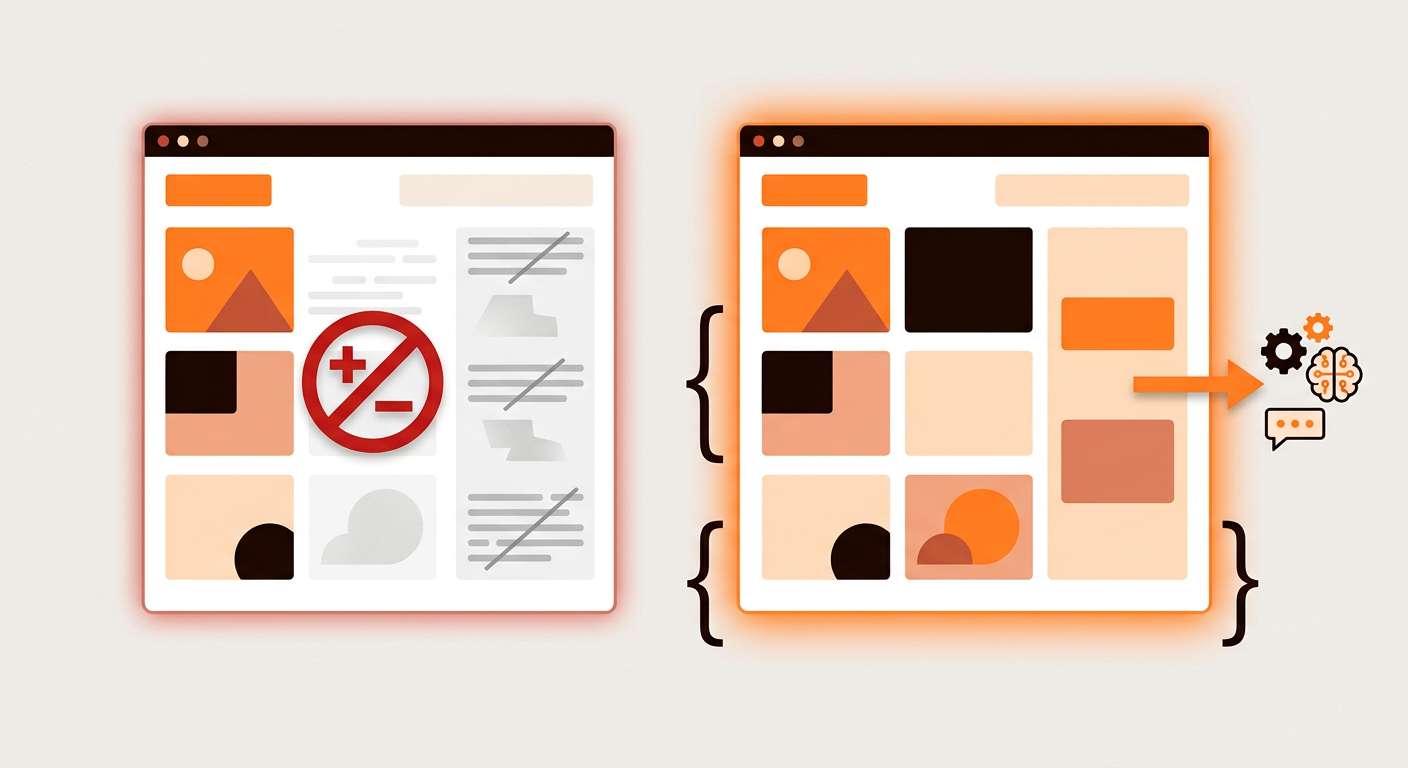
In the AI era, inconsistency is a visibility killer. AI engines cross-check signals across every channel and deprioritize sources that contradict themselves. Governance is no longer optional for the CMO.
 Zoe
On April 23, 2026, Google's security team published evidence of a 32% rise in adversarial prompt injection across the open web. The line between legitimate GEO and the tricks Google is now actively detecting is wider than the marketing-tools market lets on. Real GEO is the opposite shape: transparent, signaled through documented update channels, and durable for that reason.