AI Citation Monitoring: How Brands Get Cited by ChatGPT, Claude, and Gemini
GEO

AI Citation Monitoring: Why It Matters for GEO and What to Do With the Data
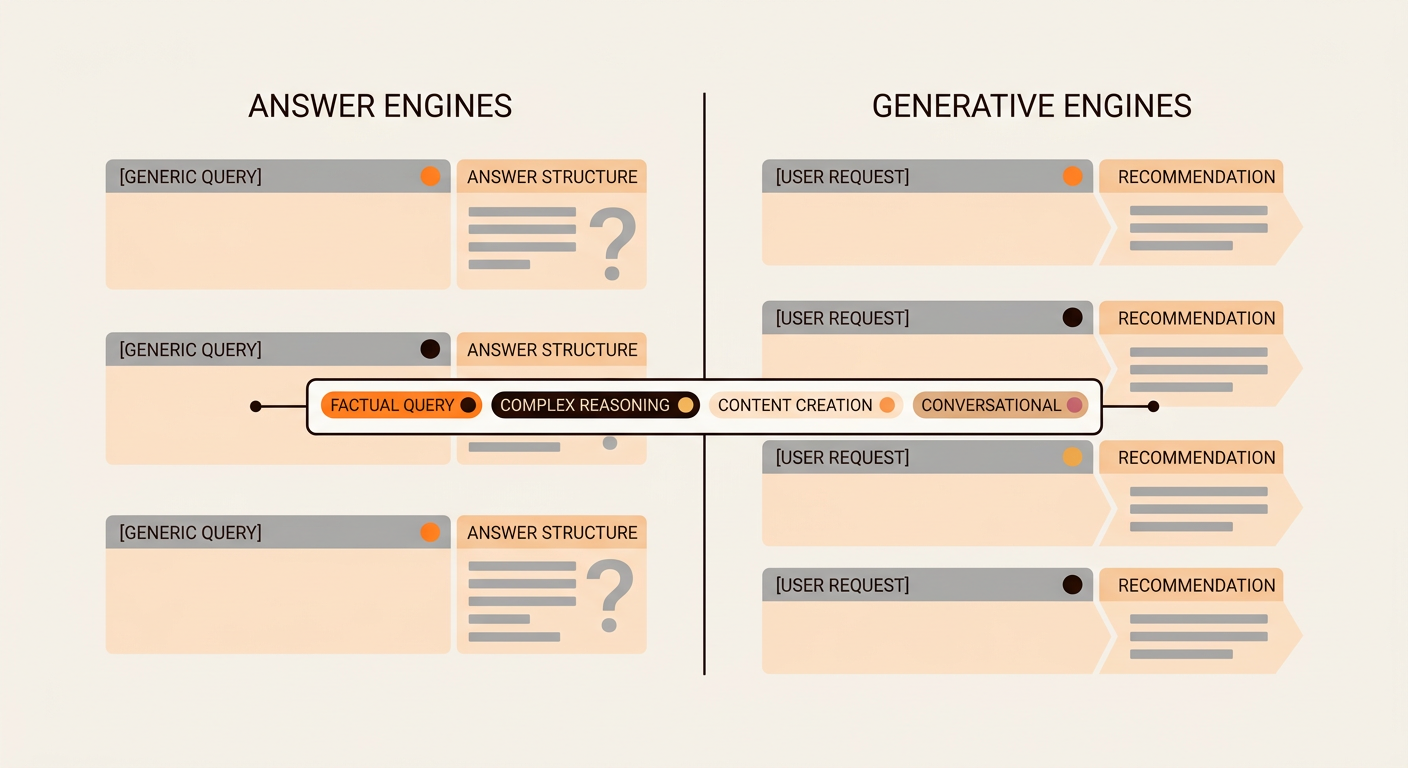
Brands now have a new visibility problem. A prospect asks ChatGPT, Claude, or Gemini for a recommendation, and your company may appear in the answer, get cited as a source, or get ignored entirely.
That shift is why AI citation monitoring matters. In Generative Engine Optimization (GEO), visibility isn't only about blue links. It's about whether AI systems mention your brand, cite your site, and describe your products accurately when people ask buying questions.
Why citations matter in AI search
Traditional SEO focused on rankings, clicks, and pages. GEO adds another layer. AI engines build answers from sources they can understand, trust, and retrieve. If your brand isn't cited, you may have content that ranks in search but still fails to shape AI-generated answers.
Citations are a practical signal. They show whether a model found your content useful enough to reference, whether competitors are being chosen instead, and whether your brand is being represented with the right positioning. This is a core part of SEO vs. GEO. SEO asks whether a page can rank. GEO asks whether a brand can be surfaced, summarized, and cited inside answer engines.
For marketing teams trying to improve brand visibility in AI, citation tracking answers a few essential questions:
- Which prompts trigger mentions of our brand?
- Which AI engines cite us most often?
- Which competitors appear when we don't?
- Which pages or domains get cited?
- Are our brand claims being repeated accurately?
That makes citation data useful for AI search optimization, AEO optimization, and broader content marketing strategy.
What AI citation monitoring actually tracks
AI citation monitoring goes beyond checking whether your name appears in a response. Strong monitoring should track four things.
First, it tracks brand mentions across engines such as ChatGPT, Claude, Gemini, Grok, and Perplexity. If you want to monitor brand mentions on ChatGPT or track AI mentions across models, you need prompt-level visibility.
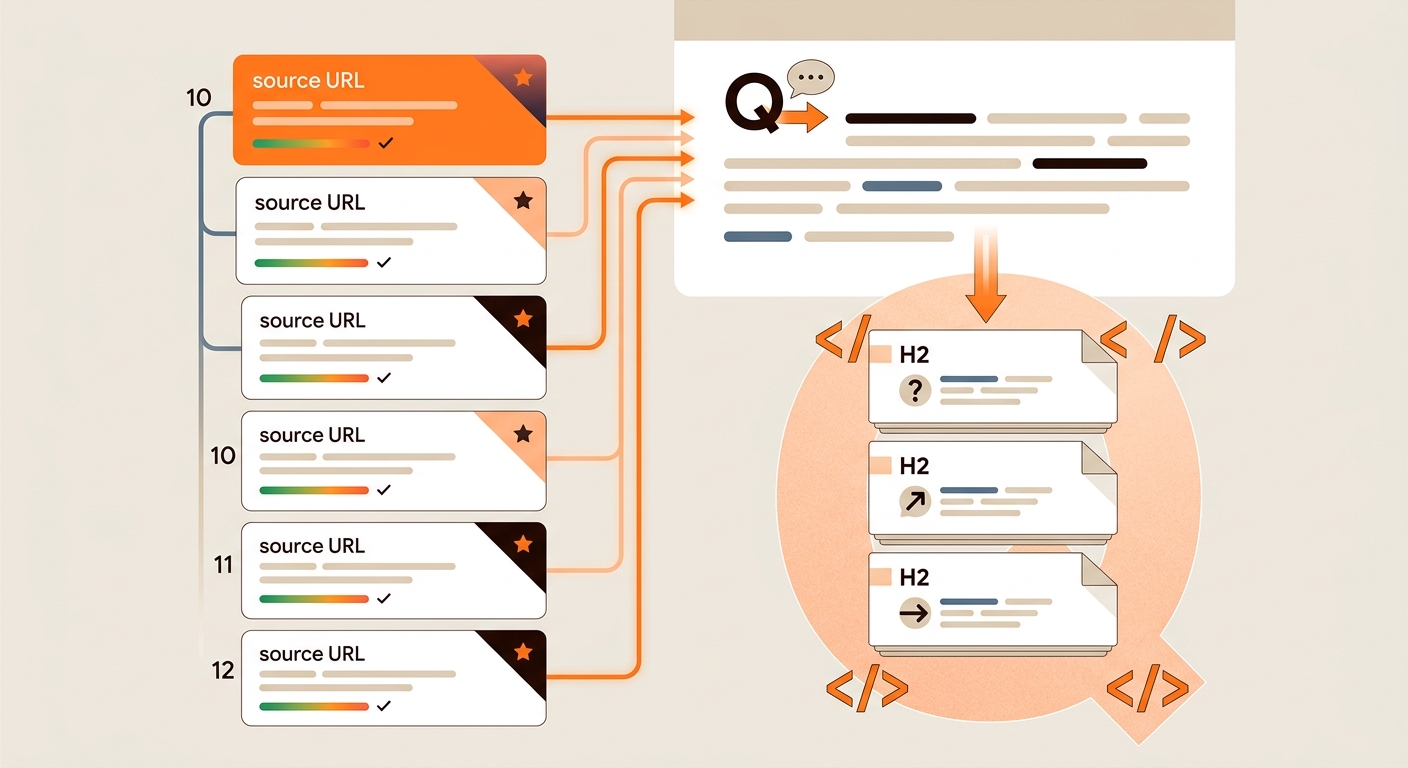
Second, it tracks citations and source domains. A mention without a citation can still matter, but a citation shows which pages the model appears to rely on.
Third, it tracks competitors in the same answer set. If another company gets cited while you don't, that gap often points to content, authority, or technical issues.
Fourth, it tracks movement over time. AI answers change. A brand can gain citations after publishing stronger content, then lose them after a site redesign or template change.
How Zeover monitors citations across AI engines
Zeover is built as a closed-loop GEO platform. It doesn't stop at reporting whether you appear in AI answers. It helps brands understand why they are or are not being cited, then helps them fix the causes.
The monitoring workflow starts with benchmark prompts based on real buyer questions. Zeover checks how a brand appears across major engines, including ChatGPT, Claude, Gemini, Grok, and Perplexity. It records mentions, citations, competitors, and model-specific changes, giving teams a clearer view of AI visibility tracker data across engines.
From there, Zeover connects citation outcomes to site-level analysis. The platform scans websites the way AI engines read them and identifies structural content gaps, AI-readability issues, missing context, weak entity signals, and citation blockers that make a brand hard to understand. That matters because many tools for growth marketers only show the scoreboard. Zeover ties the scoreboard to the reasons behind the result.
Zeover also supports brand-governed content generation. Teams can create citation-ready pages, blog posts, press releases, and supporting assets using a locked brand boilerplate, approvals, and role-based workflows. For companies in regulated or compliance-heavy industries, that control matters as much as visibility.
This is where Zeover differs from a simple AI rank tracker. It connects benchmarking, citation analysis, remediation, and content updates into one system. That makes it useful for brands asking how to optimize for AI searches, how to do GEO, or how to improve brand presence in AI without guessing.
What brands should do once they know whether they're being cited
Citation data is only useful if it changes action. Once a brand can see where it is being cited and where it is missing, the next steps usually fall into five areas.
1. Identify the prompts that matter most
Not every prompt deserves the same effort. Start with commercial and category-level questions tied to demand, product comparison, local discovery, or high-intent research. If you're working on how to rank in ChatGPT or how to rank in Gemini, benchmark the prompts your buyers actually use.
This helps teams focus GEO work on prompts tied to pipeline instead of vanity visibility.
2. Study who gets cited when you don't
Competitor citation data often reveals the missing pieces. You may need clearer product pages, stronger category definitions, better comparisons, more direct answers to common questions, or better structured supporting content.
In many cases, the issue isn't only authority. It's explainability. AI engines cite brands they can parse quickly.
3. Fix the site issues that block understanding
Many brands publish more content before fixing the basics. That's backwards. If AI engines struggle to read the site, connect entities, or locate core claims, even strong content can underperform.
Zeover helps teams find those blockers, including weak page structure, missing context, inconsistent messaging, and gaps that reduce citation readiness. This is one reason an AI SEO optimization workflow needs more than content generation.
4. Build citation-ready content
Once the structural issues are clear, create or improve content that supports the prompts you want to win. That can include product explainers, industry pages, comparison pages, FAQ content, local pages, thought leadership, and GEO-optimized press releases.
For teams investing in AI-powered content marketing or content generation for GEO, the key isn't publishing more. It's publishing content that is accurate, brand-safe, easy for models to parse, and aligned with buyer questions.
5. Re-benchmark and measure movement
AI visibility changes over time, so teams need to test again after fixes go live. Re-benchmarking shows whether citation share improved, which engines changed first, and whether new content actually influenced answers.
That closed loop is what turns monitoring into an operating process instead of a report.
Why this matters for marketing teams now
AI search optimization is becoming part of mainstream digital marketing analytics. Buyers are already using answer engines to compare vendors, validate claims, and shortlist products. If your brand is absent from those answers, another company shapes the buying conversation first.
For startups, local businesses, agencies, and enterprise teams, the challenge is the same. You need to know when your brand is cited, what sources support that citation, and what to change when visibility drops.
Zeover's value is that it closes the loop. It helps teams monitor citations across AI engines, diagnose why they happen, generate fixes and content under brand governance, and then measure whether visibility moved.
If your team wants to track AI mentions, improve brand visibility in AI, and move from traditional SEO into Generative Engine Optimization (GEO), citation monitoring is one of the first systems worth putting in place.