AEO for E-commerce: How to Get Products Recommended in ChatGPT, Gemini, and Perplexity
AEO

AEO for E-commerce: How Online Retailers Can Get Products Recommended in AI Shopping Answers
AI shopping answers are changing how people discover products. A buyer asks ChatGPT, Gemini, or Perplexity for the best standing desk for a small home office, and the model returns a shortlist, supporting details, and often a handful of cited sources. If your products aren't understood, trusted, or cited, they may never make that list.
That shift makes AEO for e-commerce a practical growth channel, not a side topic for innovation teams. It also connects directly to Answer Engine Optimization and Generative Engine Optimization (GEO). Search results still matter, but AI shopping assistants now shape product discovery earlier in the buying journey and often compress comparison steps into a single answer.
What AEO for e-commerce means now
AEO for e-commerce is the work of helping AI systems interpret product pages, category pages, reviews, policies, and brand signals well enough to recommend and cite them in generated answers. In practice, that means improving how your store communicates facts, trust signals, relationships between products, and proof points that models can extract.
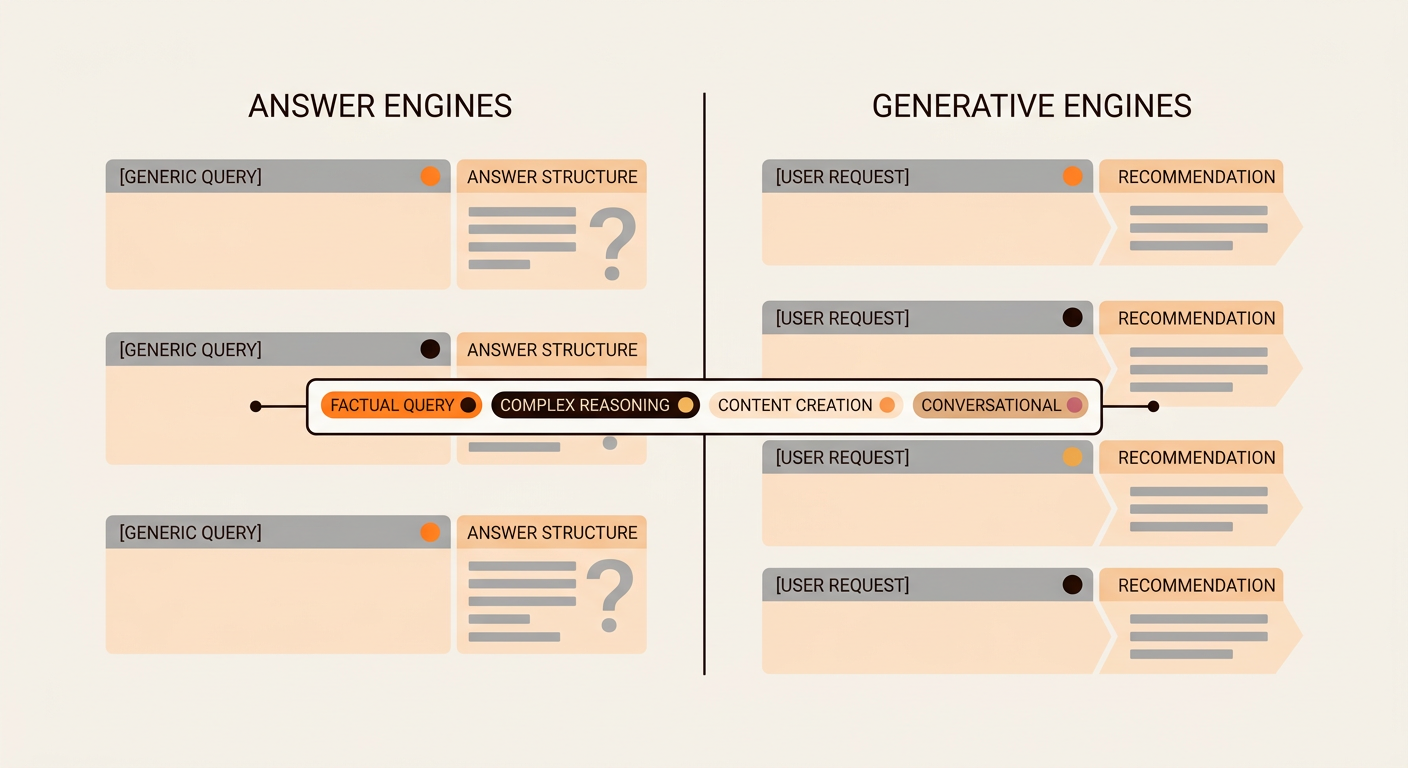
This is where Answer Engine Optimization differs from old habits in SEO. Standard search optimization focuses on ranking pages. AI shopping visibility depends on whether a model can read your site cleanly, connect the product to the query, compare it against alternatives, and cite a reliable source.
Why products get skipped in AI shopping answers
Many e-commerce sites have strong catalogs and solid traffic, yet still fail in AI answers. The issue is often structural, not cosmetic.
Common blockers include:
- Thin product descriptions with little differentiation
- Inconsistent product specs across templates and feeds
- Missing shipping, returns, warranty, or sizing details
- Weak category context that doesn't explain use cases
- Reviews that exist, but aren't easy for models to interpret
- Brand language that sounds polished but says very little
- Product comparisons that live off-site instead of on owned pages
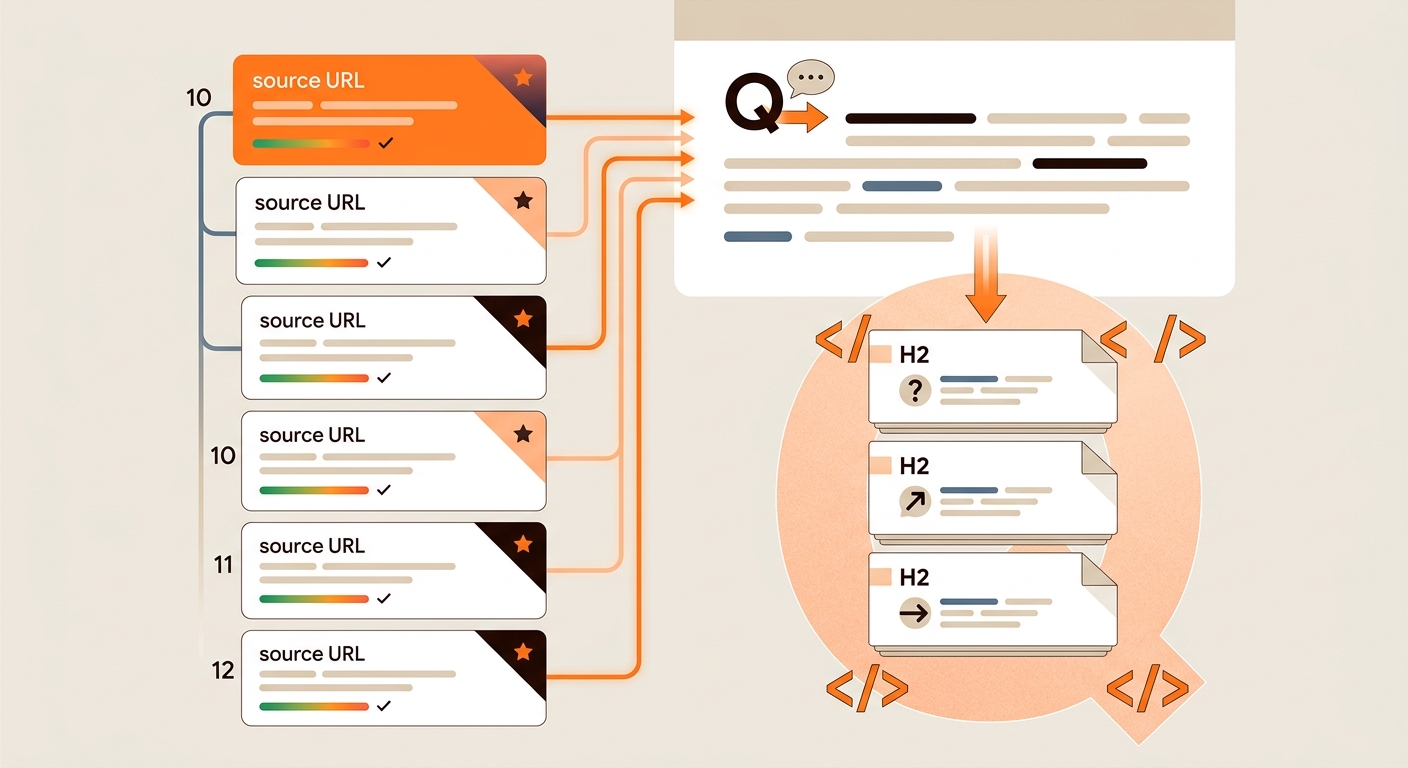
AI engines don't just look for keywords. They look for extractable evidence. If your store doesn't provide clean, consistent, citation-ready information, the model will lean on publishers, marketplaces, forums, or competitor sites that do.
How to rank in ChatGPT, Gemini, and Perplexity for shopping prompts
Start with product clarity. Each product page should explain what the item is, who it is for, what problem it solves, and what makes it different. Avoid generic copy that could apply to fifty competitors. Add specific dimensions, materials, compatibility details, care instructions, and scenario-based guidance.
Then strengthen category and comparison content. AI models often answer broad commercial prompts such as best ergonomic desk for apartment living or best cold brew maker for beginners. A category page with strong explanations can support those answers better than a bare product grid.
Trust signals matter too. Clear shipping terms, return policies, FAQs, review summaries, and support information help models assess credibility. So does consistency across your site.
Answer Engine Optimization for product pages
Focus on these elements:
1. Specific product facts
List dimensions, materials, technical specs, fit notes, included accessories, usage limits, and setup details in plain language.
2. Use-case language
Include practical scenarios that map better to natural-language buyer prompts.
3. Comparison cues
Explain how one model differs from another in your own catalog. Buyers ask AI engines to compare products.
4. Citation-ready proof
Support claims with concrete details instead of vague adjectives.
5. Brand consistency
Keep product names, specs, and policy details aligned across templates, feeds, help pages, and structured content.
Generative Engine Optimization for category and editorial content
Strong e-commerce AEO doesn't stop at product pages. Useful content types include buying guides, comparison pages, use-case explainers, gift guides, troubleshooting articles, care and maintenance content, size and fit education, and industry glossaries.
How Zeover helps e-commerce teams improve AI shopping visibility
Zeover is a closed-loop GEO platform built for brands that need more than measurement. It scans websites the way AI engines read them, identifies technical and content gaps that block understanding, benchmarks real buyer prompts across ChatGPT, Claude, Gemini, Grok, Perplexity, and more, and helps teams publish fixes that can improve visibility.
For e-commerce teams, Zeover can help answer which product pages are hard for AI to interpret, which competitors get cited for high-intent shopping prompts, where missing specs or thin FAQs reduce recommendation chances, and which changes actually move AI visibility after publication.
The next step for retail teams
E-commerce brands don't need to guess why they are absent from AI shopping answers. They need to test buyer prompts, inspect the sources shaping those answers, fix the pages AI systems struggle to understand, and measure what changes after publishing.