The Marketing Automation Operating Cadence: How to Run the Platform So It Doesn't Become Shelfware (Part 6 of 6)

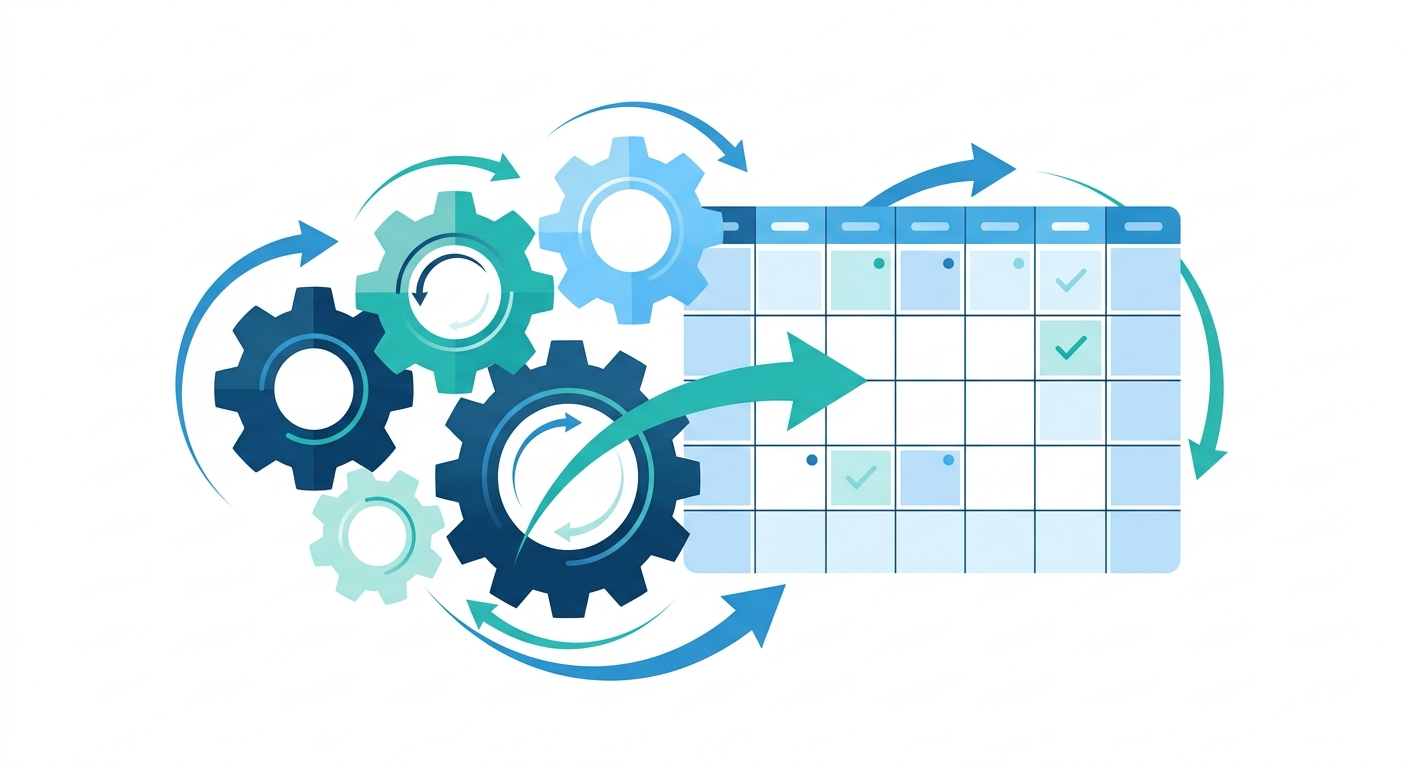

TL;DR: A platform only pays for itself when someone actually runs it. Set a weekly check on active workflows, a monthly review of what's converting versus what's stalled, and a quarterly audit of the whole stack against real revenue impact.
Most marketing automation platforms don't fail at setup. They fail three months later, when the person who built the workflows moves to a new project and nobody owns the upkeep. This series covered the strategy, the tools, and the buy-versus-build decision. This final part is about the part nobody puts in the sales deck: the operating cadence that keeps the system alive.
The Weekly Check
Pick one day. Review active workflows for errors, stalled contacts, and broken triggers. This takes 20 minutes and catches most problems before they compound into a quarter of bad data.
Weekly is also when someone should glance at send volume and engagement trends. A sudden drop usually means a segment broke or a trigger misfired, not that your audience lost interest overnight.
The Monthly Review
Once a month, go one level deeper. Look at which workflows are converting and which are just running. Retire anything that hasn't moved a lead in 60 days. Check list hygiene: bounce rates, unsubscribes, and duplicate contacts creeping back in.
This is also the right moment to compare performance against the queries and campaigns your team is actually prioritizing that month, not just the metrics the platform surfaces by default.
The Quarterly Audit
Quarterly is where you step back and ask the bigger question: is this platform still doing what we bought it to do? Pull usage data across the team, not just your own. Map active workflows to actual revenue or pipeline impact. Flag anything built for a campaign that ended two quarters ago and is still quietly running.
This is also the natural checkpoint to revisit the build-versus-buy math from Part 4. Needs shift, teams grow, and the platform that fit a 5-person team may be straining at 20.
Healthy Signals to Watch For
- Workflows have named owners, not "whoever set it up"
- Errors get fixed within days, not discovered months later
- New workflows get built when a real gap appears, not left to sprawl
- Someone can explain, in one sentence, what each active automation does
Shelfware Signals to Watch For
- Nobody can say how many workflows are currently live
- Workflows still running for campaigns that ended
- Reporting only happens when leadership asks for it
- The platform renewal gets questioned every year because nobody can point to results
Closing the Series
Across these six parts, we covered why marketing automation matters for both customer experience and AI visibility, how to choose the right platform, the build-versus-buy decision, and how AI is changing personalization and segmentation. This piece ties it together: none of it works without a cadence that treats the platform as a living system, not a one-time setup.
The tools matter less than the discipline of actually running them.