
How to Optimize for AI Searches - The Complete Series
A complete guide to Generative Engine Optimization across seven steps: llms.txt, schema markup, machine-readable content, brand boilerplate, content cadence, measurement, and competitor research.

A complete guide to Generative Engine Optimization across seven steps: llms.txt, schema markup, machine-readable content, brand boilerplate, content cadence, measurement, and competitor research.

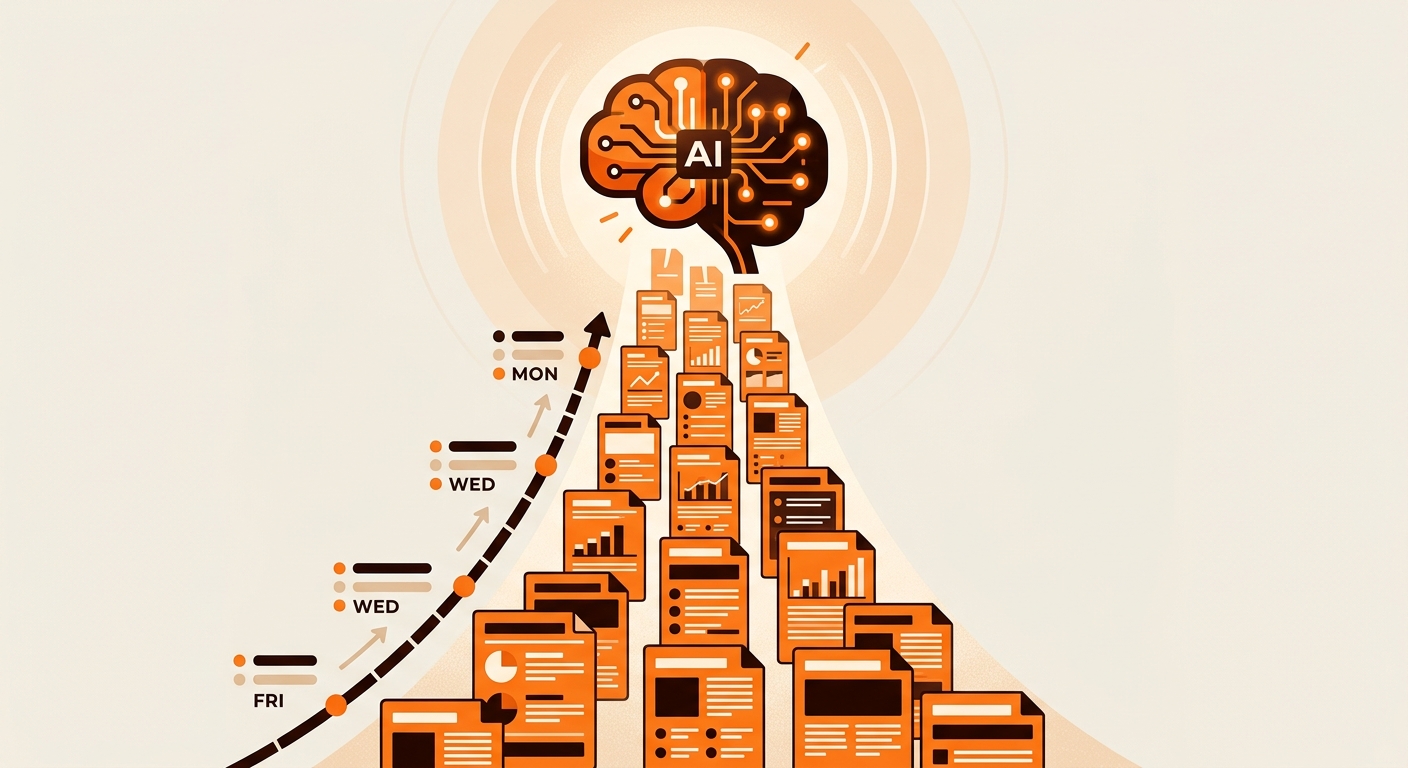
AI engines reward consistent publishing with accurate, valuable content. The brands getting cited are the ones producing the same kind of substantive material they'd share with a customer in a first meeting - on repeat.

Traffic and visibility have decoupled. Content marketing strategy isn't less important in the AI era - it's the single input AI engines use to decide which brands get recommended. Part 1 of a five-part series for marketing leaders rebuilding the content operation for a multi-engine world.

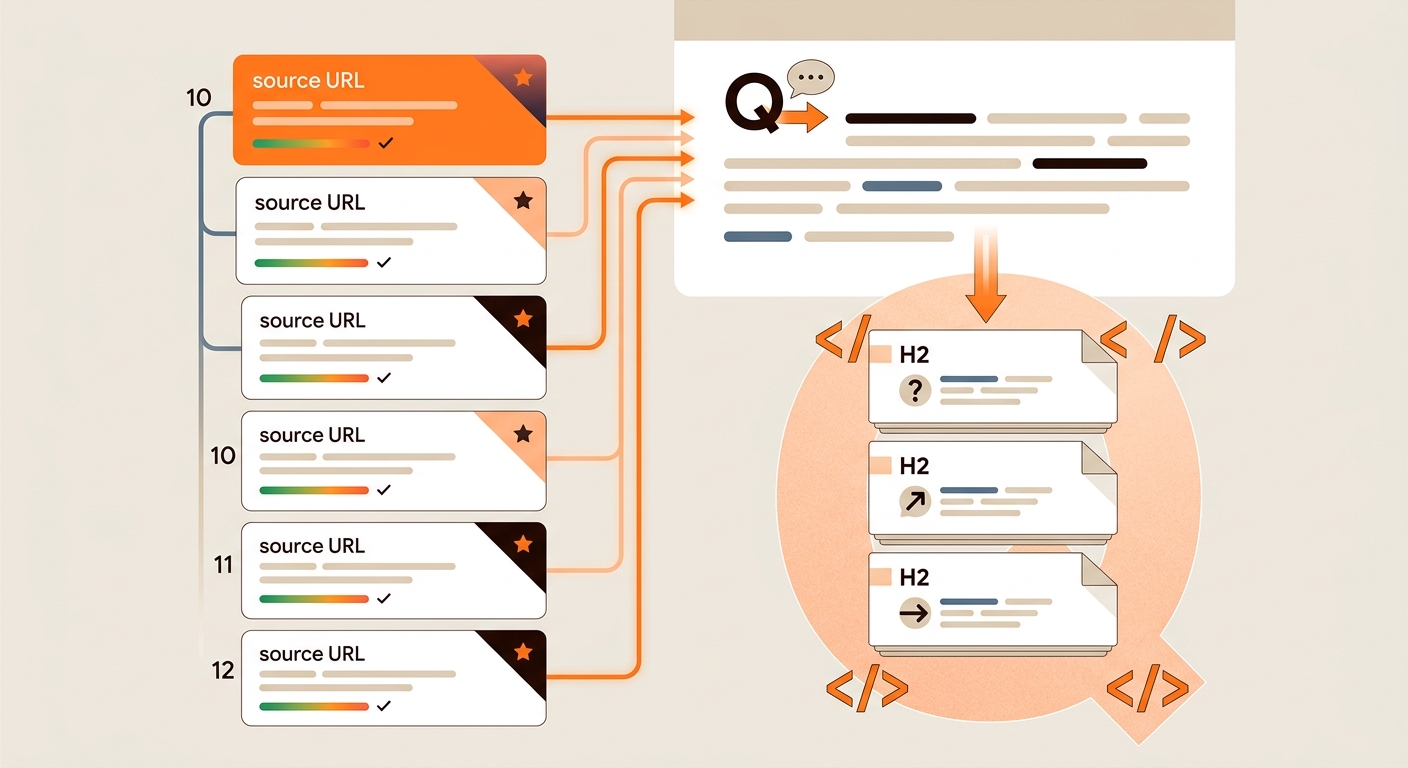
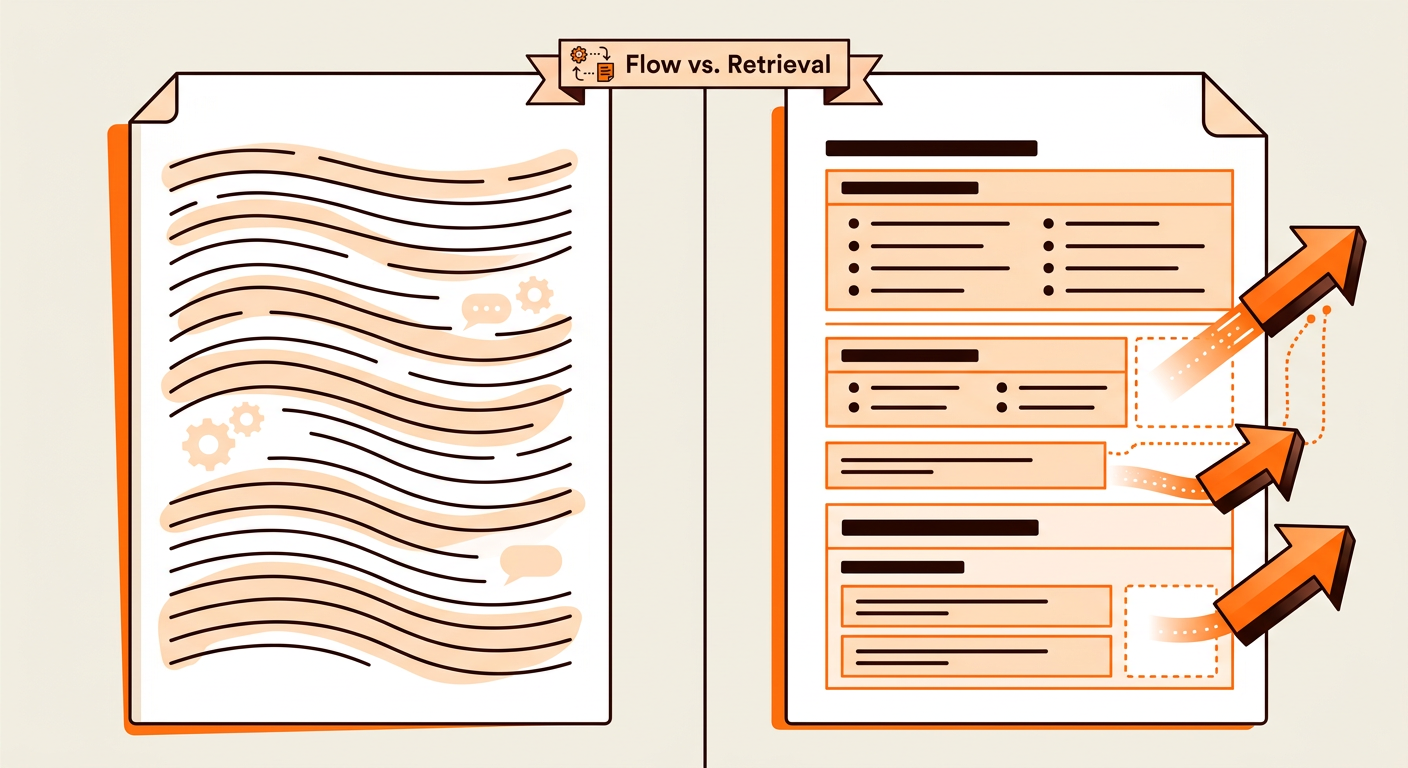
Writing for humans and writing for AI retrieval aren't the same thing. Declarative sentences, self-contained sections, and clean HTML hierarchy determine whether AI engines cite your content or skip it.

Optimizing for AI search isn't about ranking on a list. It's about being the answer AI engines extract, trust, and cite. Machine readability, structured content, llms.txt, and consistent brand signals are what get you there.

A practical five-step framework for Generative Engine Optimization: measure AI visibility, fix technical barriers, optimize content for citation, generate new material, and track benchmarks across AI engines.

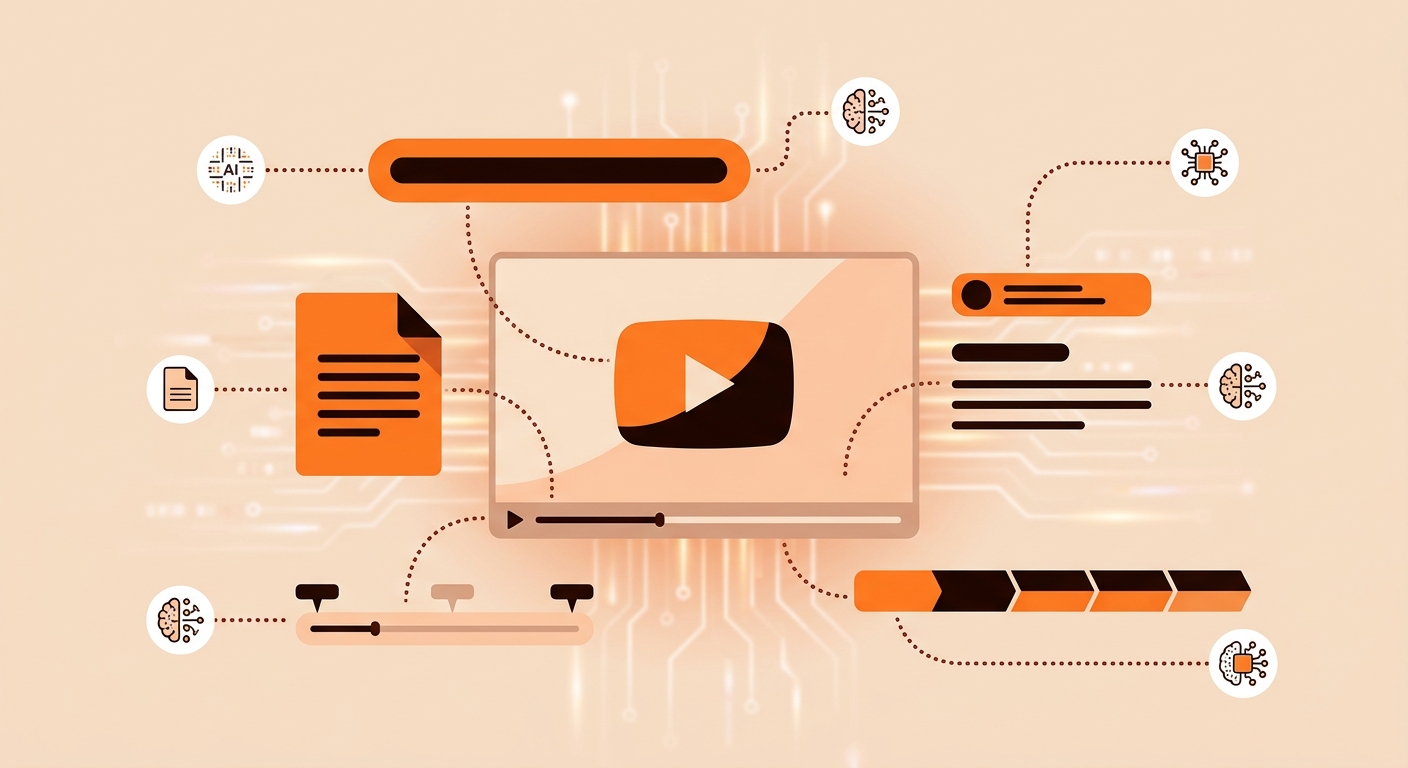
94% of AI citations go to long-form YouTube videos. Subscriber count and views barely matter. What drives citations: structured descriptions, timestamps, corrected transcripts, and question-based titles.