
How to Optimize for AI Searches - The Complete Series
A complete guide to Generative Engine Optimization across seven steps: llms.txt, schema markup, machine-readable content, brand boilerplate, content cadence, measurement, and competitor research.

A complete guide to Generative Engine Optimization across seven steps: llms.txt, schema markup, machine-readable content, brand boilerplate, content cadence, measurement, and competitor research.

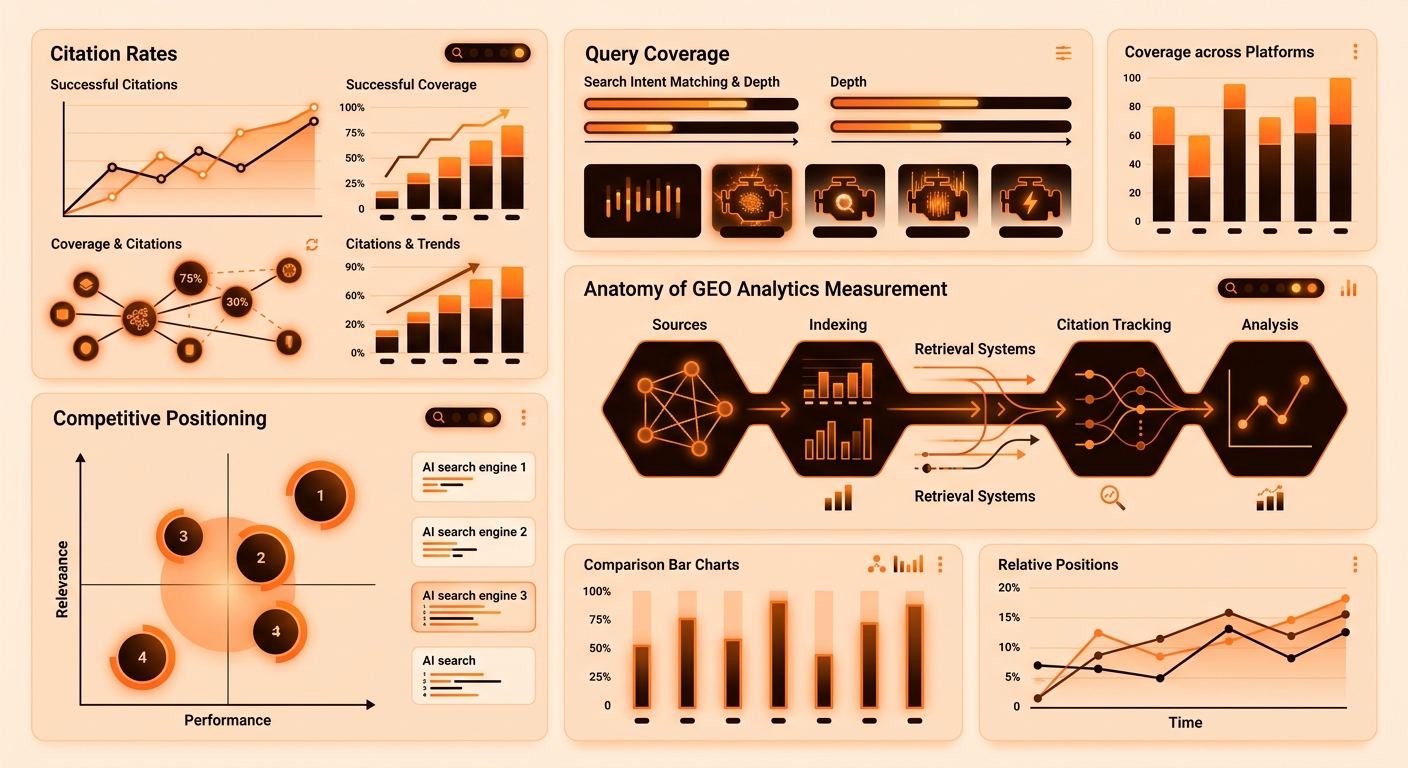
Track the metrics that matter for generative engine optimization. Learn which KPIs reveal AI citation patterns, content visibility, and the ROI of a GEO strategy.

SEO is not dead. It is the foundation GEO builds on. Here is which traditional SEO metrics carry the most weight when AI engines decide what to cite.

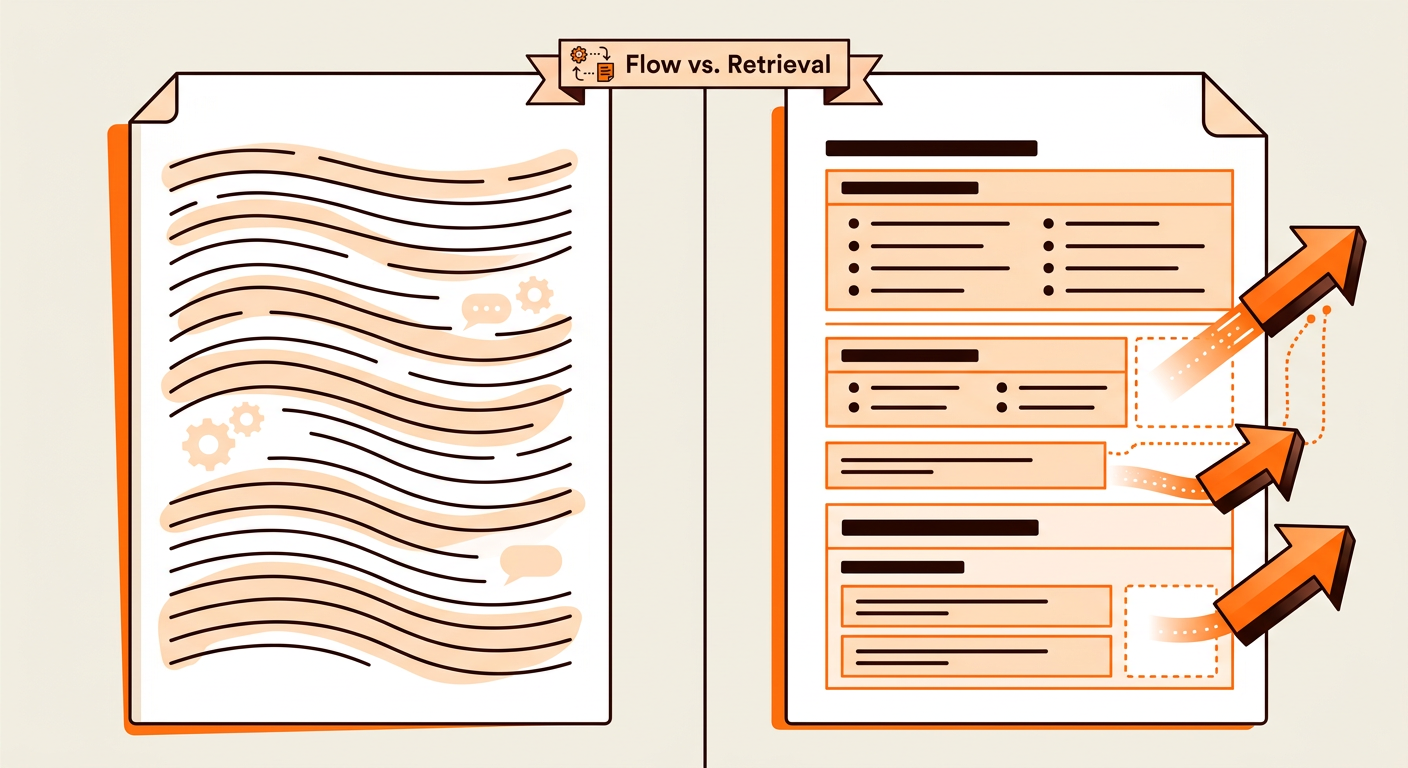
Writing for humans and writing for AI retrieval aren't the same thing. Declarative sentences, self-contained sections, and clean HTML hierarchy determine whether AI engines cite your content or skip it.

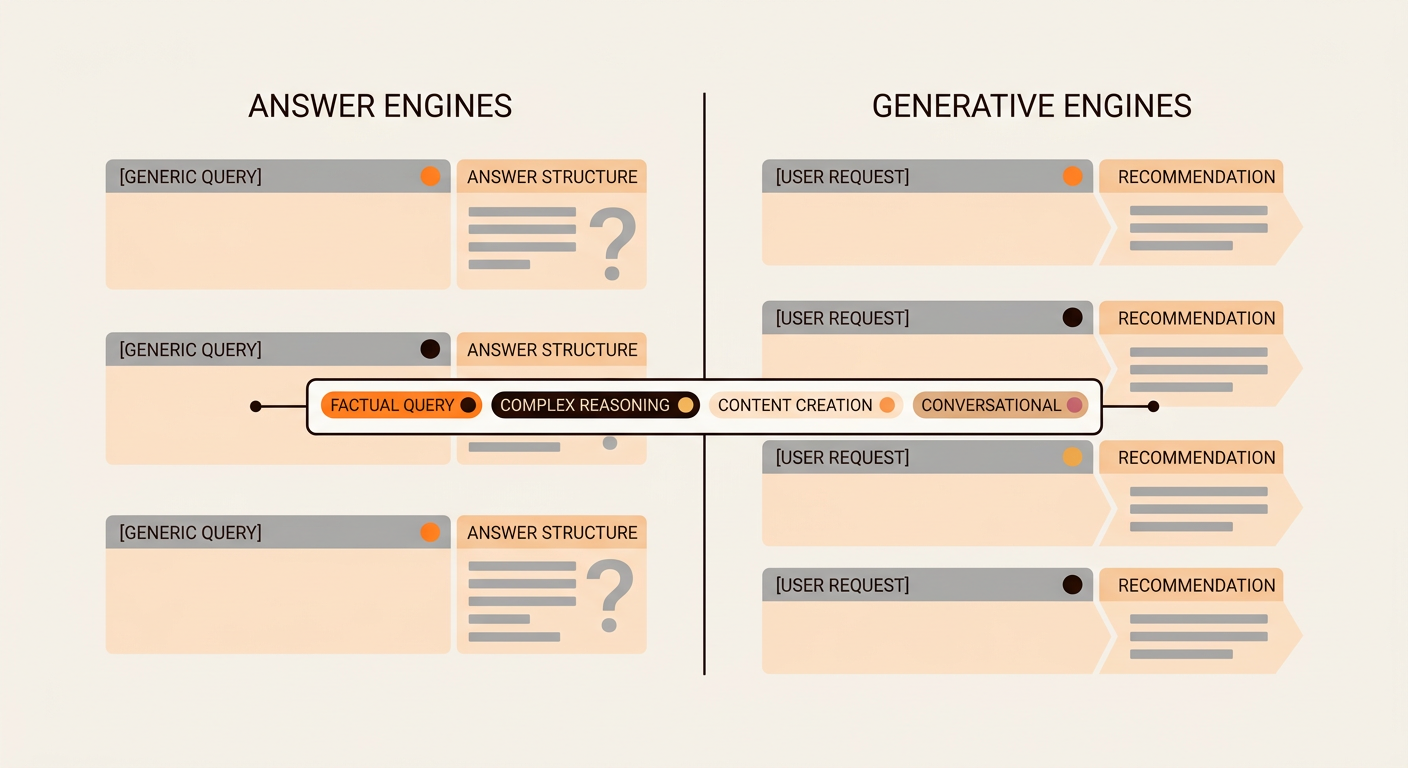
ChatGPT averages 2.62 citations per answer and pulls ~48% from third-party sites. Gemini favors brand sites. Claude over-indexes on user-generated content. Grok weights X. Here's what actually earns a citation on each.

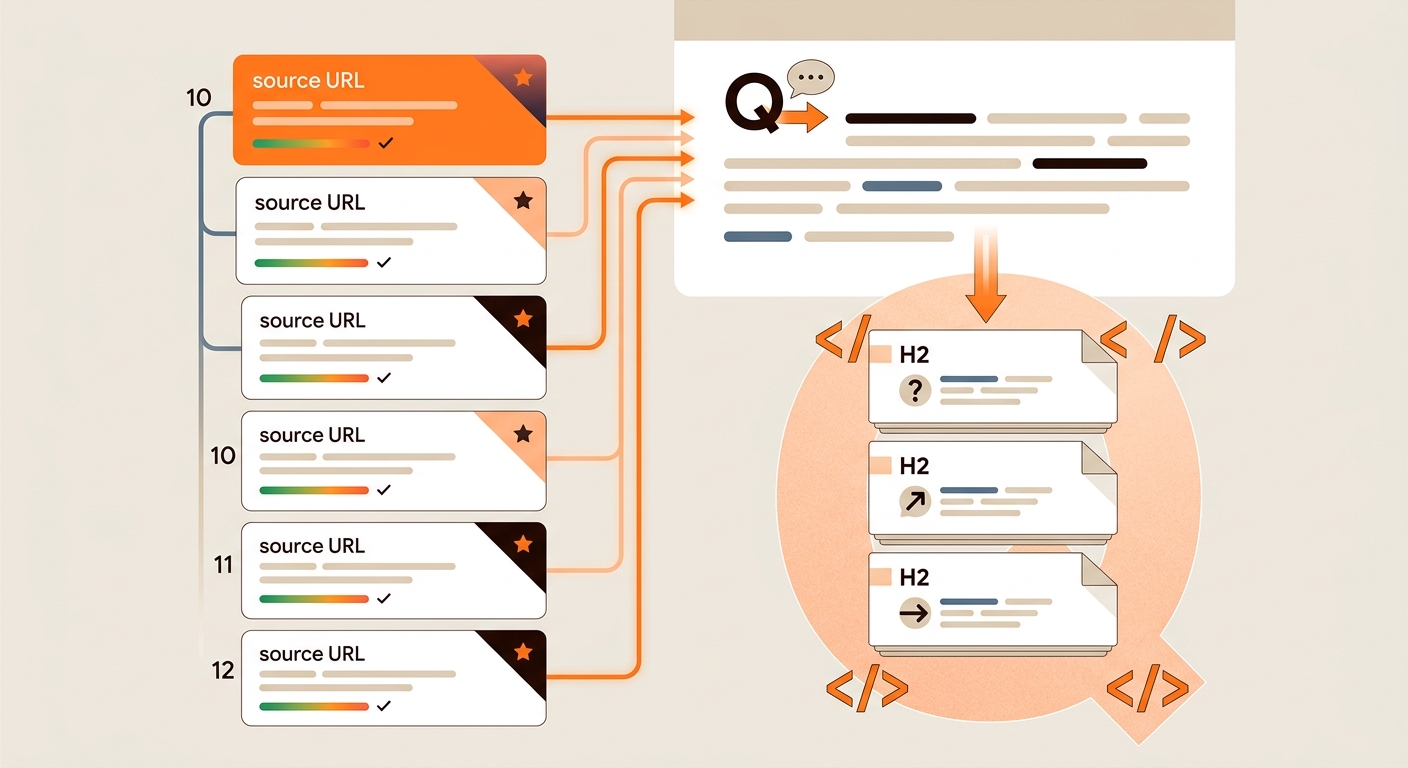
Optimizing for AI search isn't about ranking on a list. It's about being the answer AI engines extract, trust, and cite. Machine readability, structured content, llms.txt, and consistent brand signals are what get you there.

llms.txt is the one file most websites are missing. Done right, it tells AI engines what your brand does, what pages matter, and how to use your content. Done wrong, it's worse than having nothing at all.