
Category: GEO

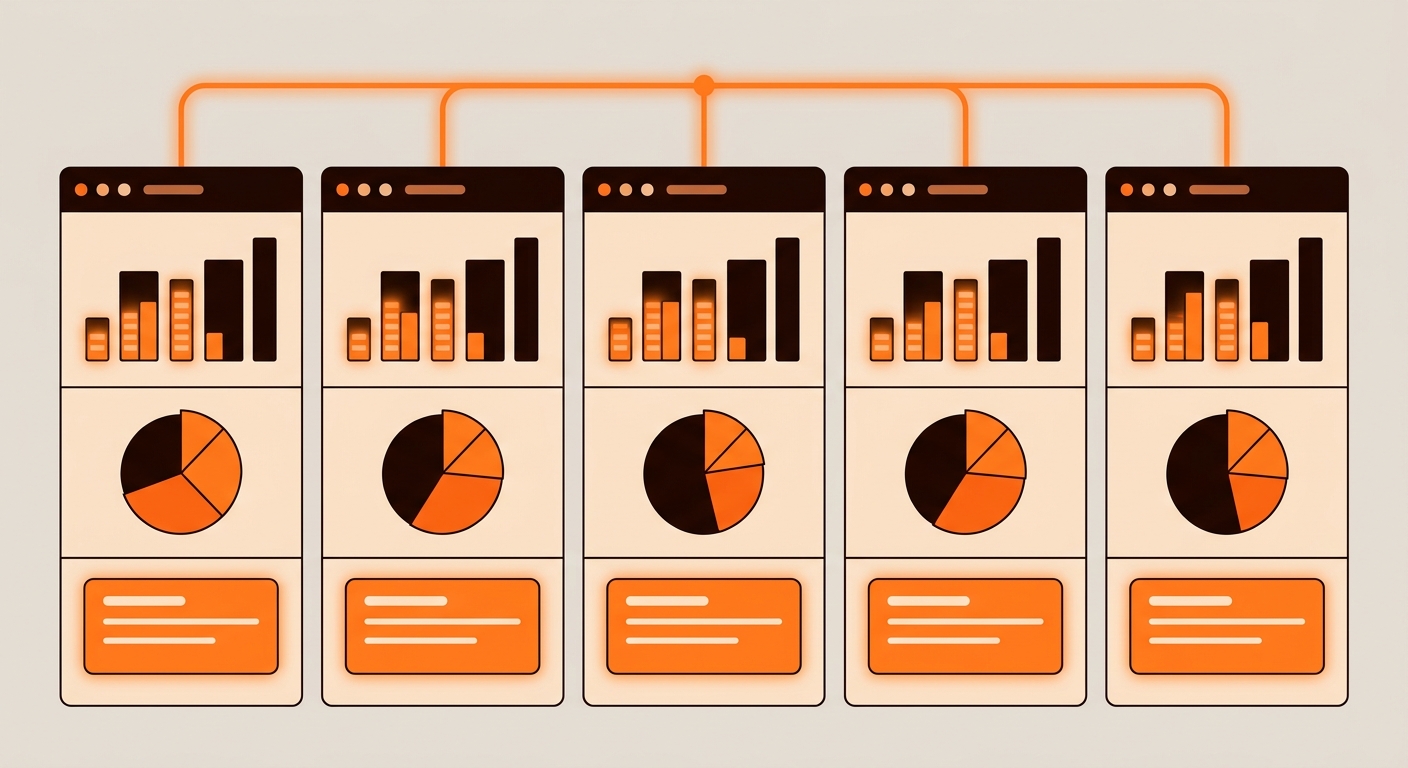
How to Optimize for AI Searches - Lock Your Brand Boilerplate Across Every Channel (Part 4 of 7)

How to Optimize for AI Searches - Lock Your Brand Boilerplate Across Every Channel (Part 4 of 7)

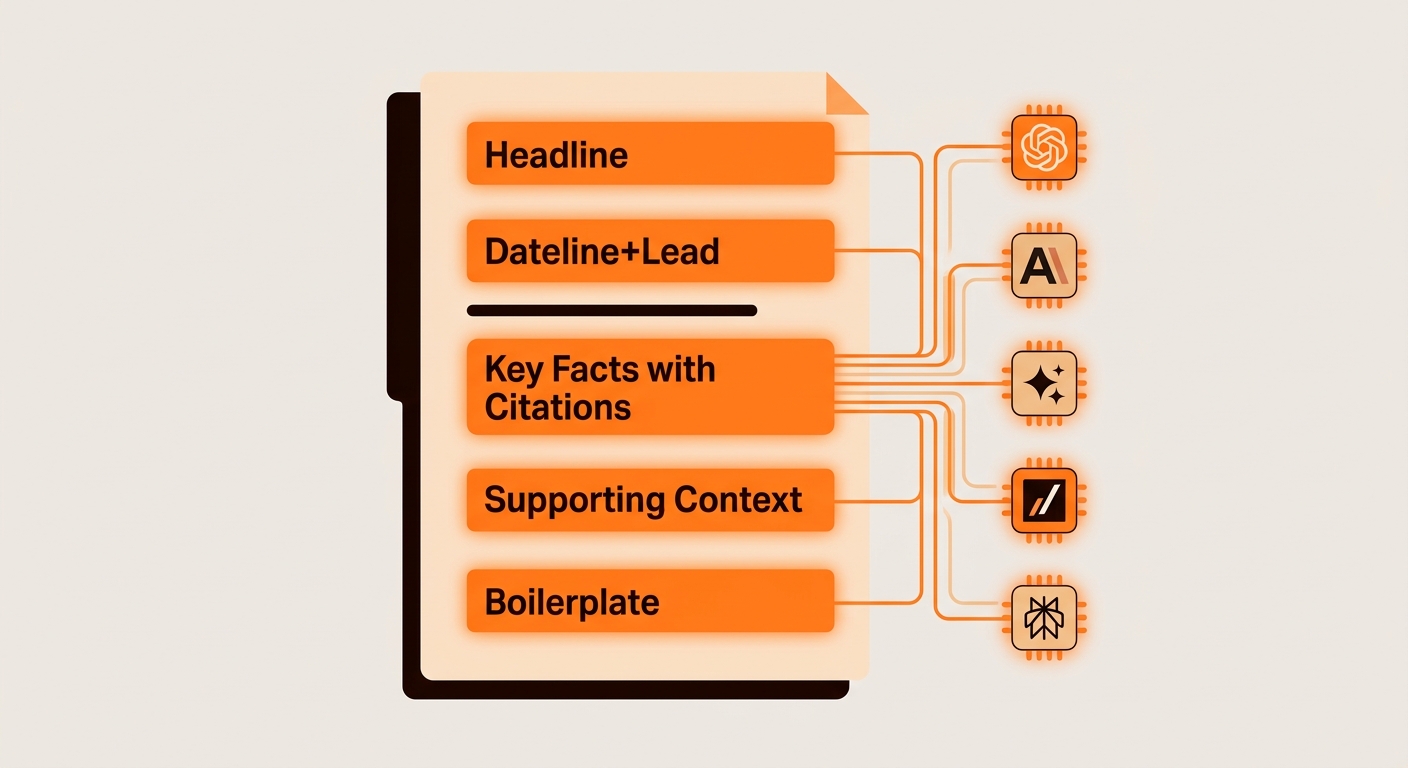
AI engines aggregate brand signals from your website, LinkedIn, press releases, social posts, and third-party mentions. When those signals contradict each other, your visibility pays the price.

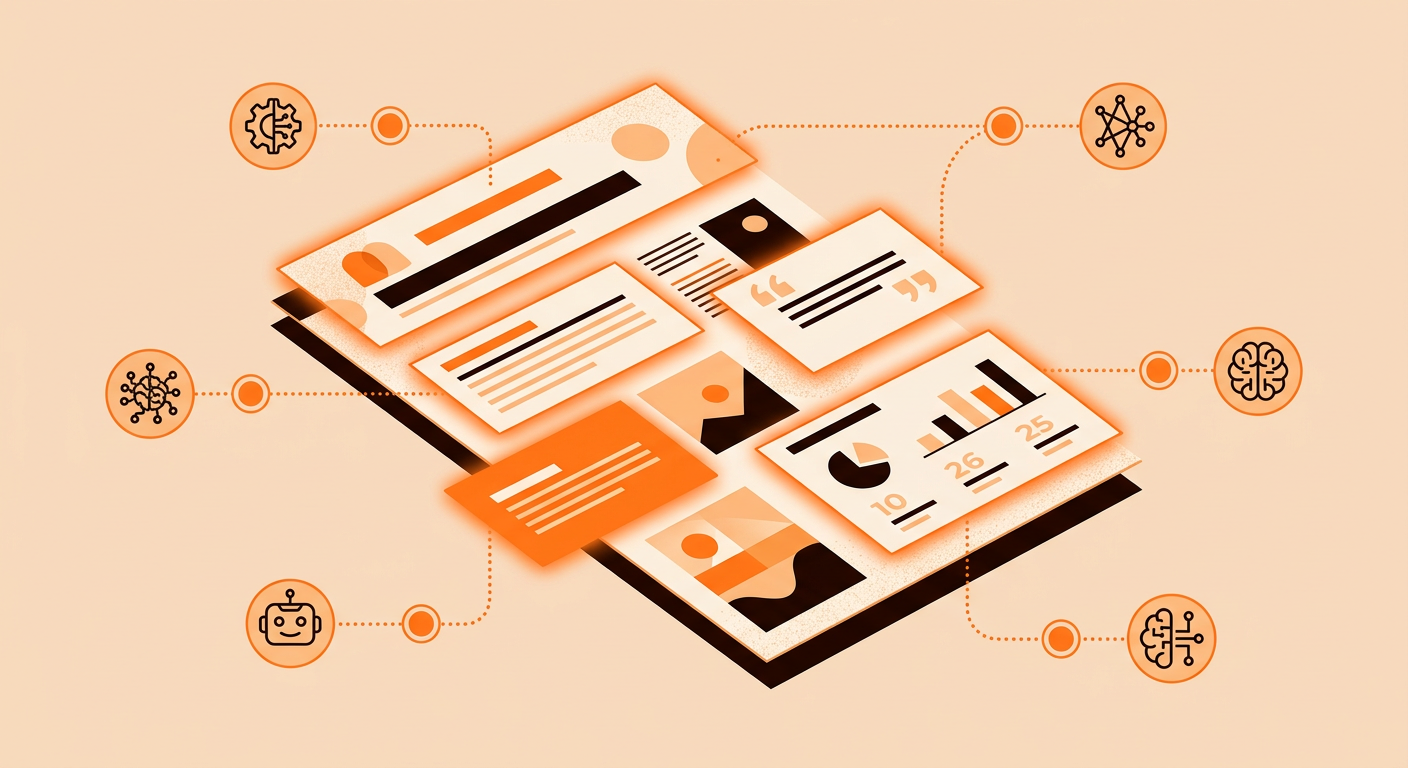
How to Optimize for AI Searches - Make Your Content Machine-Readable (Part 3 of 7)

How to Optimize for AI Searches - Make Your Content Machine-Readable (Part 3 of 7)

Writing for humans and writing for AI retrieval aren't the same thing. Declarative sentences, self-contained sections, and clean HTML hierarchy determine whether AI engines cite your content or skip it.

How to Rank in ChatGPT - Build an AI-Readable Site ChatGPT Crawlers Actually Understand (Part 2 of 5)

How to Rank in ChatGPT - Build an AI-Readable Site ChatGPT Crawlers Actually Understand (Part 2 of 5)

ChatGPT sends three different crawlers. Most sites accidentally block at least one. Here's how to make your site AI-readable - robots.txt, llms.txt, schema, and short-to-the-point writing - so ChatGPT can actually cite you.

Who Is Organic GEO Best For - Startups and the First-Mover Advantage (Part 3 of 6)

Who Is Organic GEO Best For - Startups and the First-Mover Advantage (Part 3 of 6)

Startups are the single biggest beneficiary of GEO. They can build an AI-optimized presence from day one while incumbents spend years undoing legacy digital footprints that AI engines don't trust.

The CMO Playbook for AI Marketing Strategy (Part 1 of 6)

The CMO Playbook for AI Marketing Strategy (Part 1 of 6)

If you're a CMO or VP Marketing in 2026, AI visibility is now part of your scorecard whether you've decided to own it or not. Here's the playbook: what's different, what to own, and how the first six months look.

How to Rank in ChatGPT - What ChatGPT Cites and How Gemini, Claude, Grok, and Perplexity Differ (Part 1 of 5)

How to Rank in ChatGPT - What ChatGPT Cites and How Gemini, Claude, Grok, and Perplexity Differ (Part 1 of 5)

ChatGPT averages 2.62 citations per answer and pulls ~48% from third-party sites. Gemini favors brand sites. Claude over-indexes on user-generated content. Grok weights X. Here's what actually earns a citation on each.

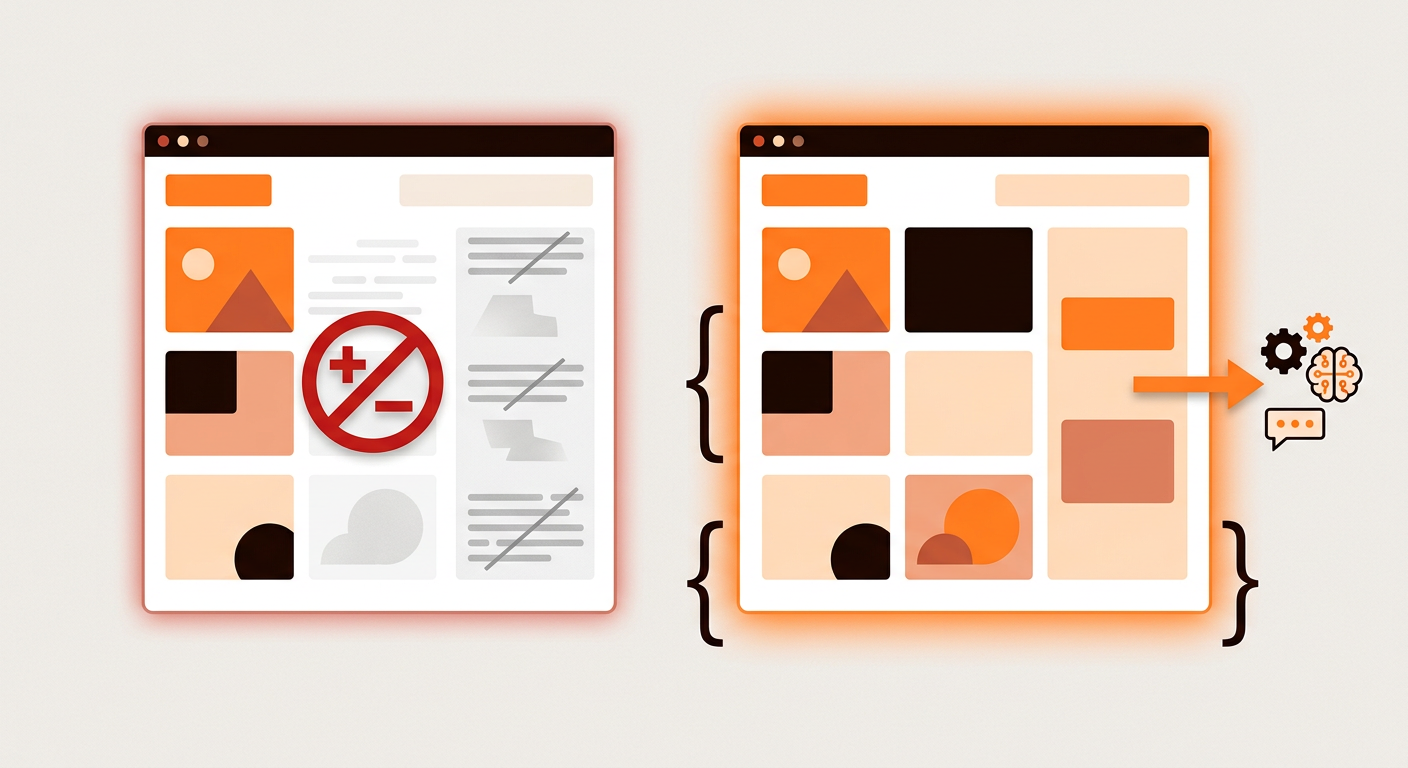
How to Optimize for AI Searches - Schema Markup Is Not Optional Anymore (Part 2 of 7)

How to Optimize for AI Searches - Schema Markup Is Not Optional Anymore (Part 2 of 7)

Content with proper schema markup is 2.5x more likely to appear in AI answers. AI engines don't guess what your page is about - they read your structured data, and if it's missing, your competitor wins the citation.

Who Is Organic GEO Best For - The B2C Case: Why Volume Is Non-Negotiable (Part 2 of 6)

Who Is Organic GEO Best For - The B2C Case: Why Volume Is Non-Negotiable (Part 2 of 6)

In consumer markets, GEO only moves the business needle when the underlying query has enough search volume to generate meaningful traffic at scale. Here's how to identify which B2C keywords are worth optimizing.

GEO for Startups and Small Businesses: How to Appear in AI Search Results Without a Big Marketing Team

GEO for Startups and Small Businesses: How to Appear in AI Search Results Without a Big Marketing Team

83% of restaurants are invisible on ChatGPT. AI doesn't care about your budget - it cares about your content structure. Small businesses that fix metadata and answer questions directly can compete with national brands in AI answers.

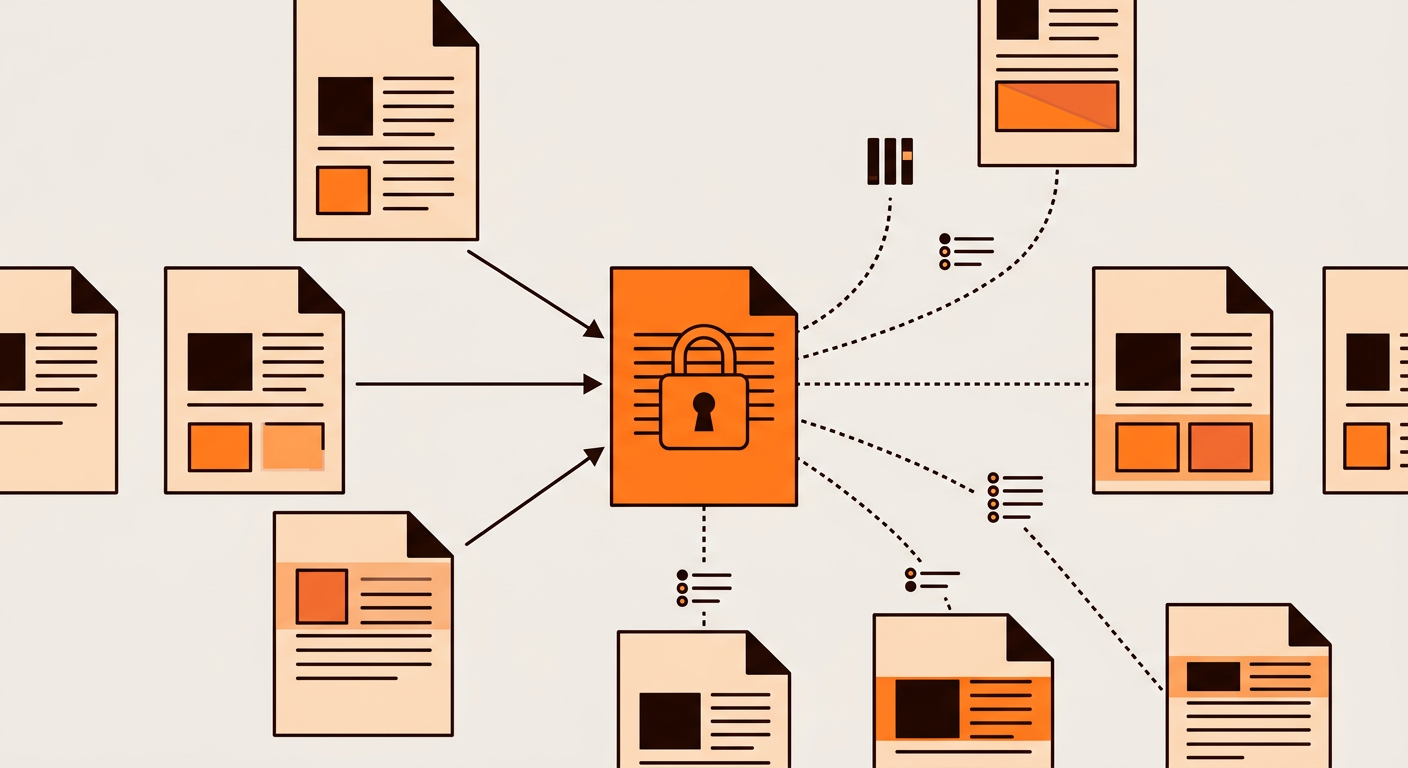
How to Optimize for AI Searches - Start With Your llms.txt (Part 1 of 7)

How to Optimize for AI Searches - Start With Your llms.txt (Part 1 of 7)

llms.txt is the one file most websites are missing. Done right, it tells AI engines what your brand does, what pages matter, and how to use your content. Done wrong, it's worse than having nothing at all.